The first time I walked through Bologna, I was captivated by how far I could stroll, shielded from the sun, under the city’s iconic porticos. These graceful arcades, woven into nearly every building, offer shelter from the elements, making the pedestrian experience both practical and pleasurable. The protection from sun, wind, and rain not only enhances comfort but invites people to walk more. This feature can be found in multiple Italian cities, Padova is not the exception.
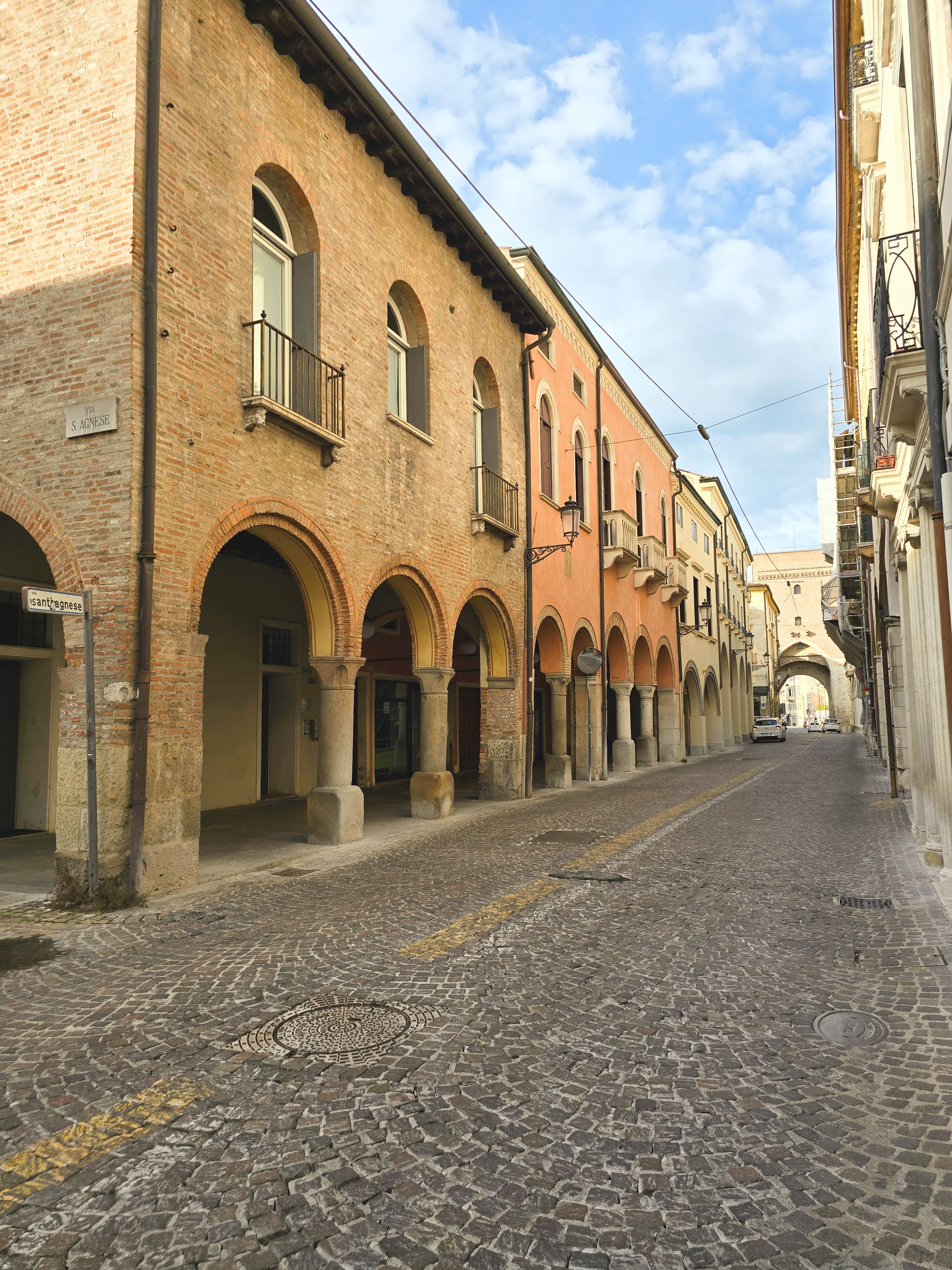
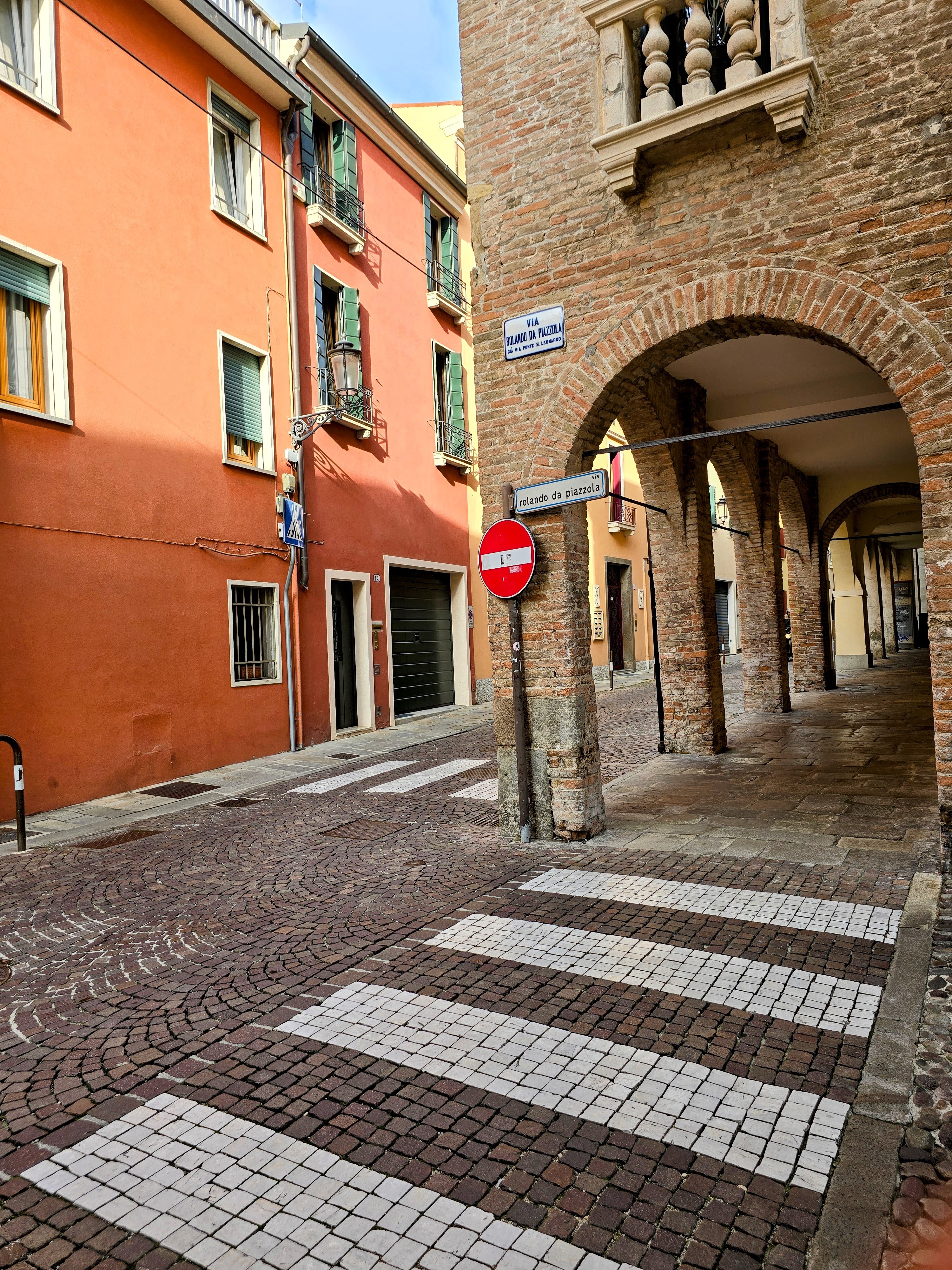
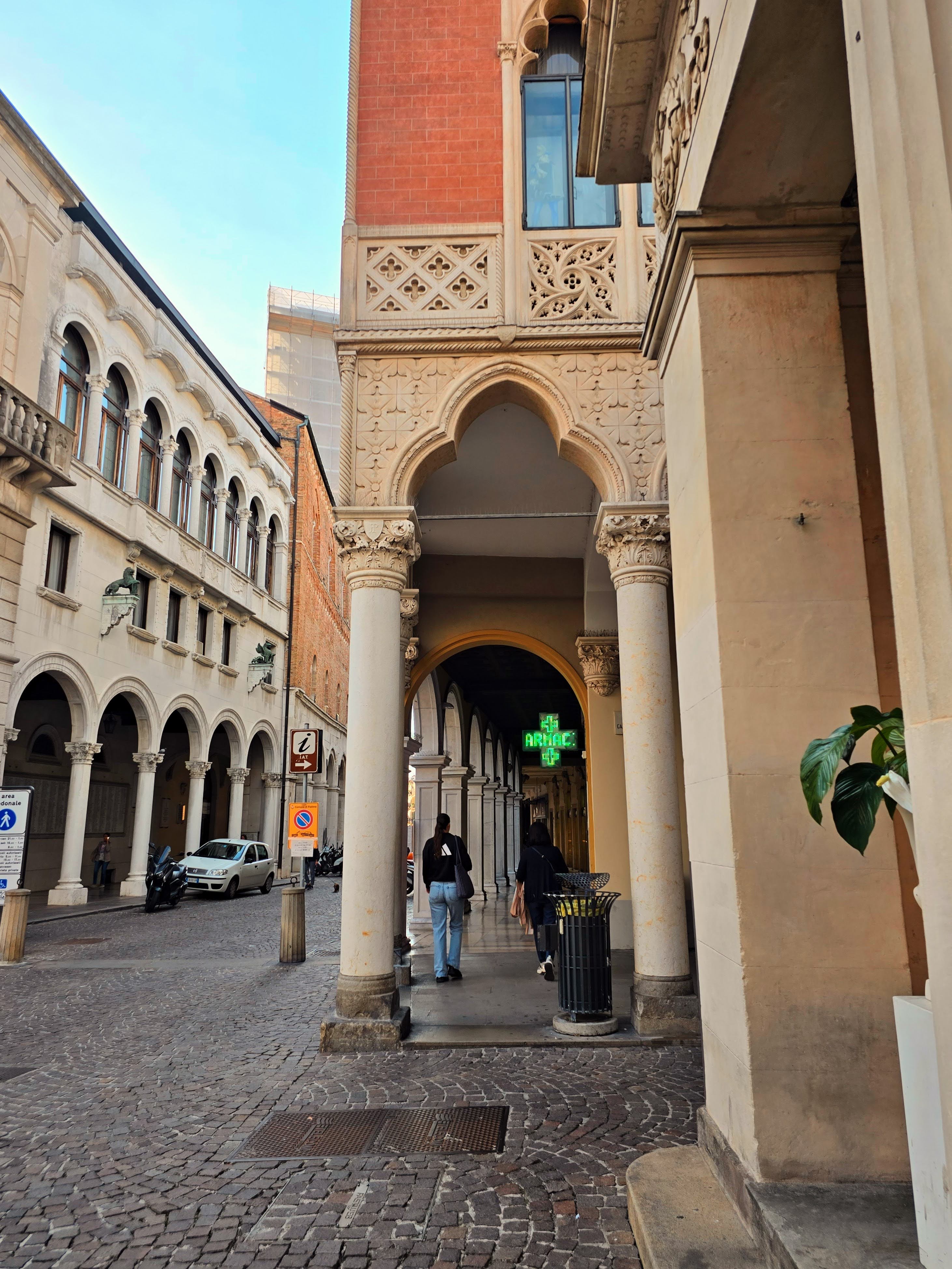
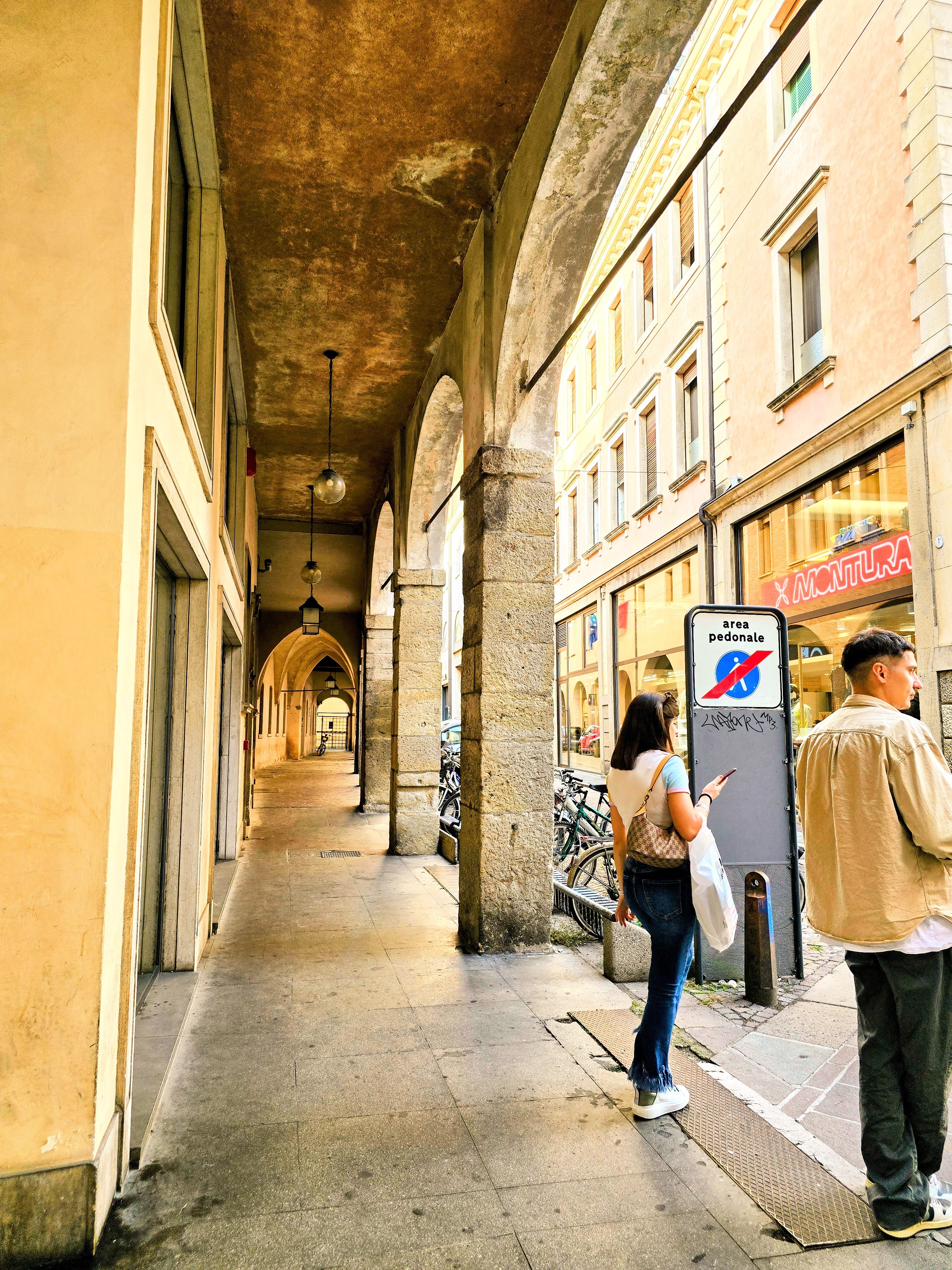
While walking through Padova’s historic downtown, I noticed that each portico reflects the character of its building—some adorned with marble or pavers, others kept immaculate by dedicated owners. The columns are both a space for artistic expressions and shields that safeguard pedestrians from traffic.
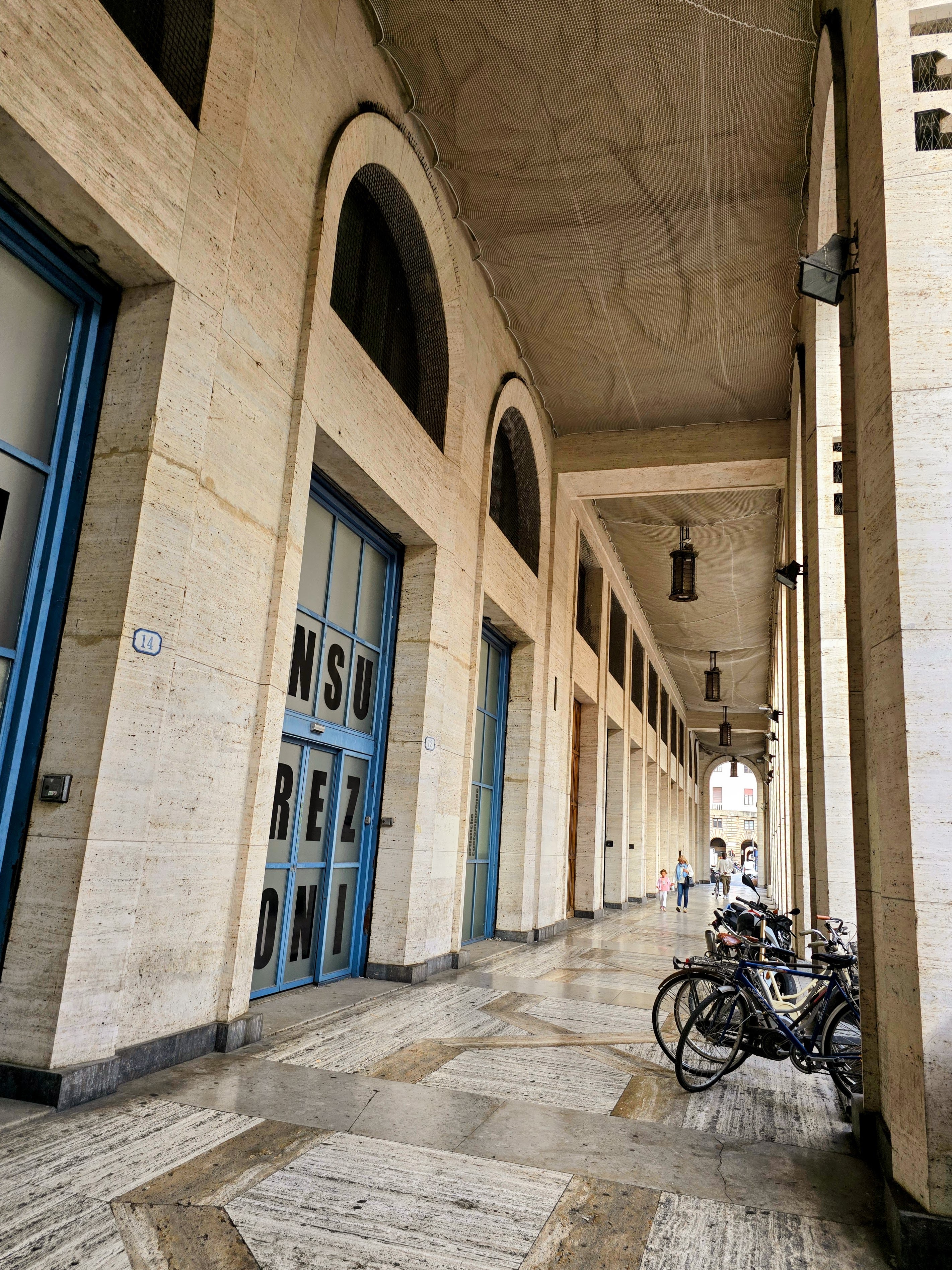
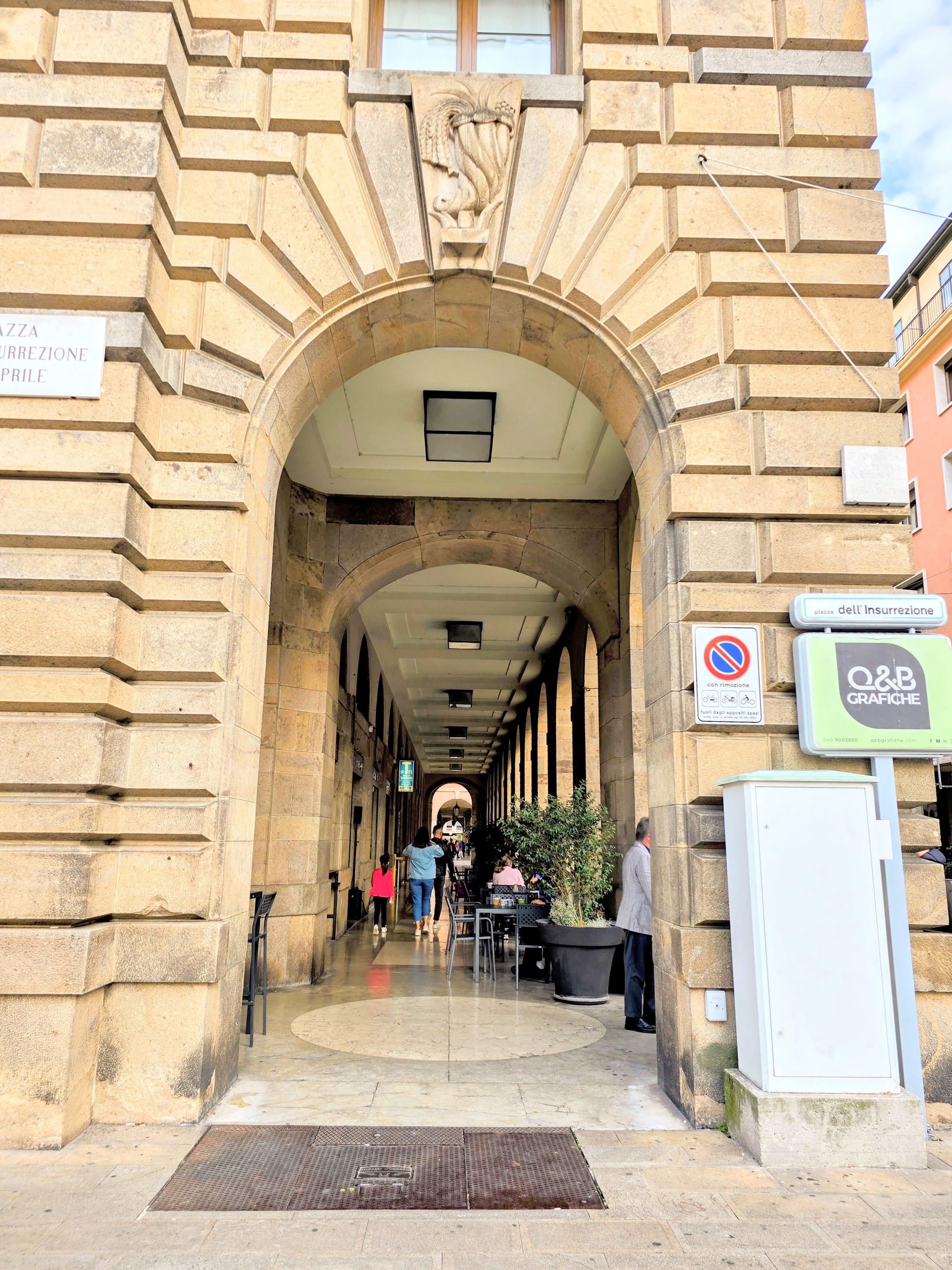
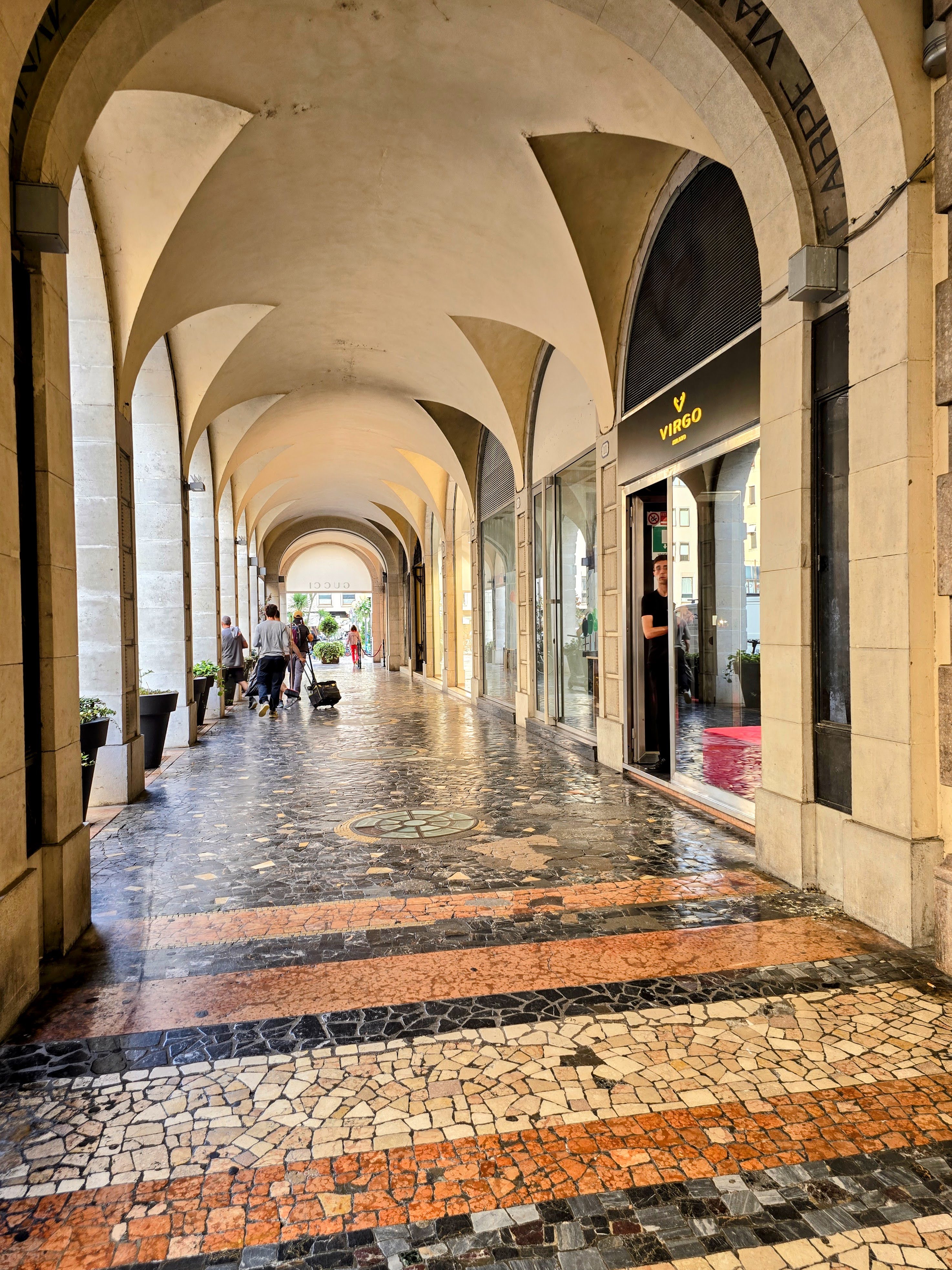
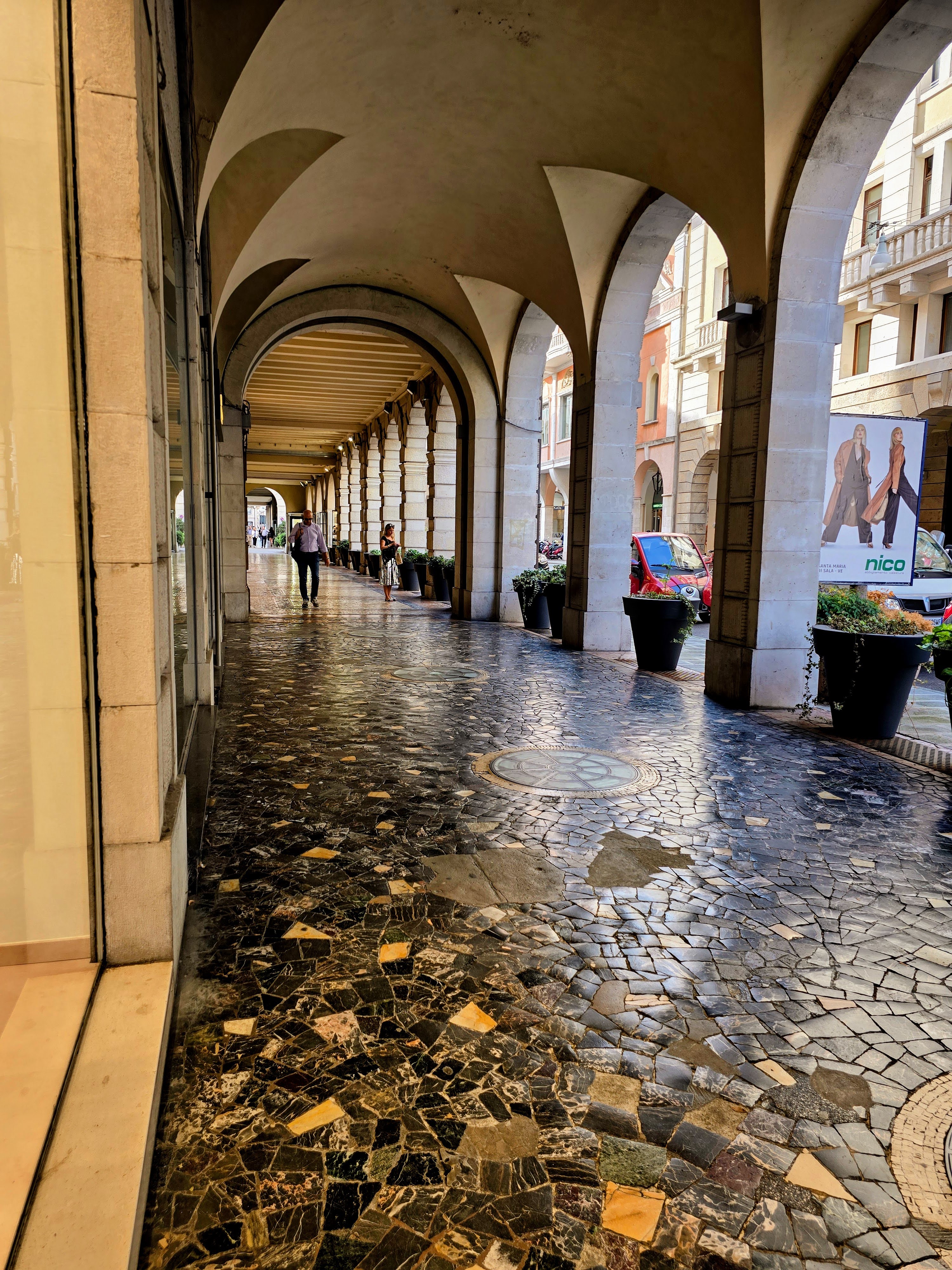
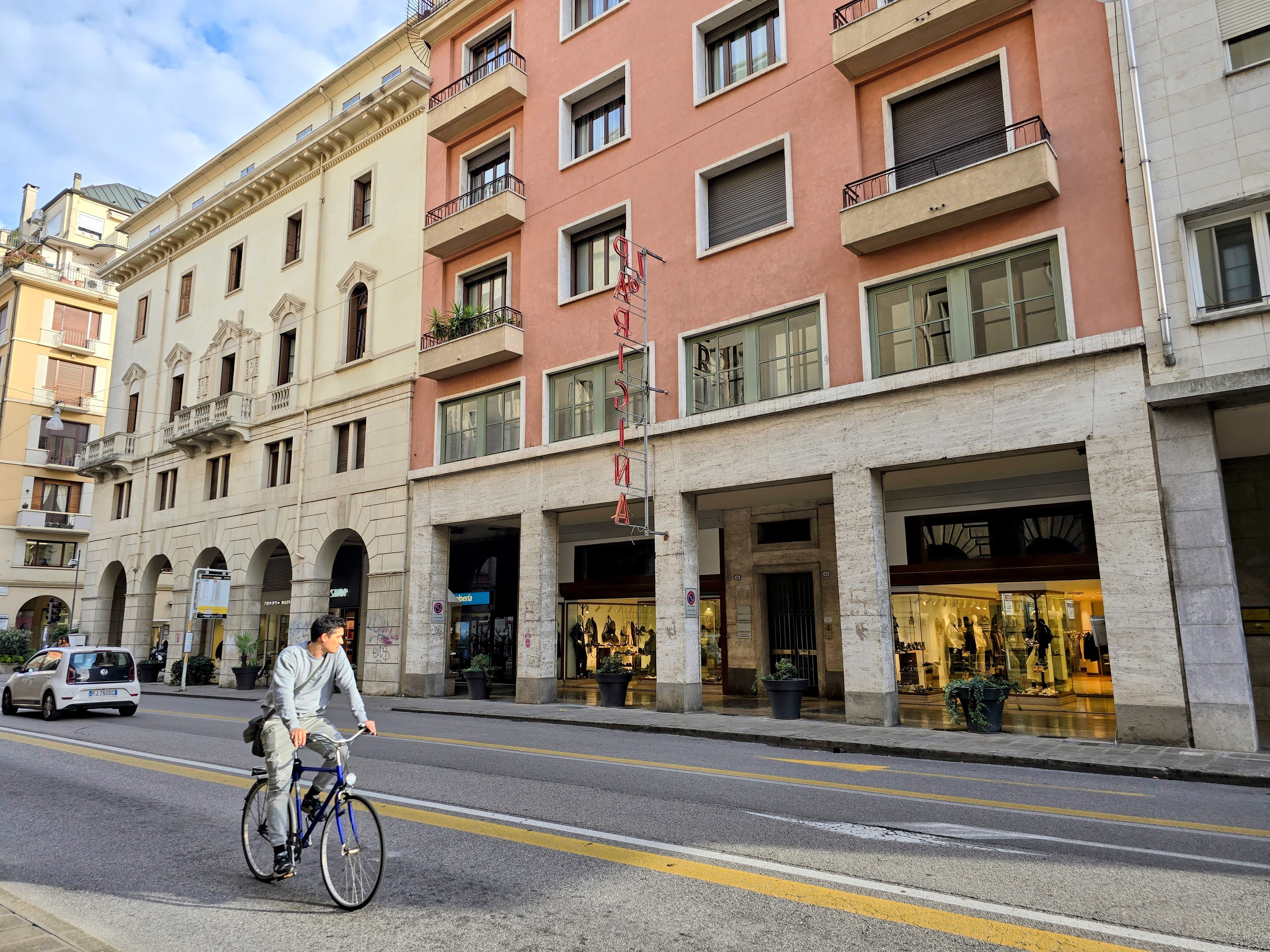
Whether high-ceilinged with elegant balconies or modest in scale, these spaces house cafés, small shops, and even bicycle parking, activating the streetscape and promoting a sense of community.
Even on rainy days, the porticos transform a miserable walk into a passeggiata. They give character to the streets creating a shared, and safe space. These design elements aren’t just aesthetic; they symbolize a commitment to people-first urban planning.
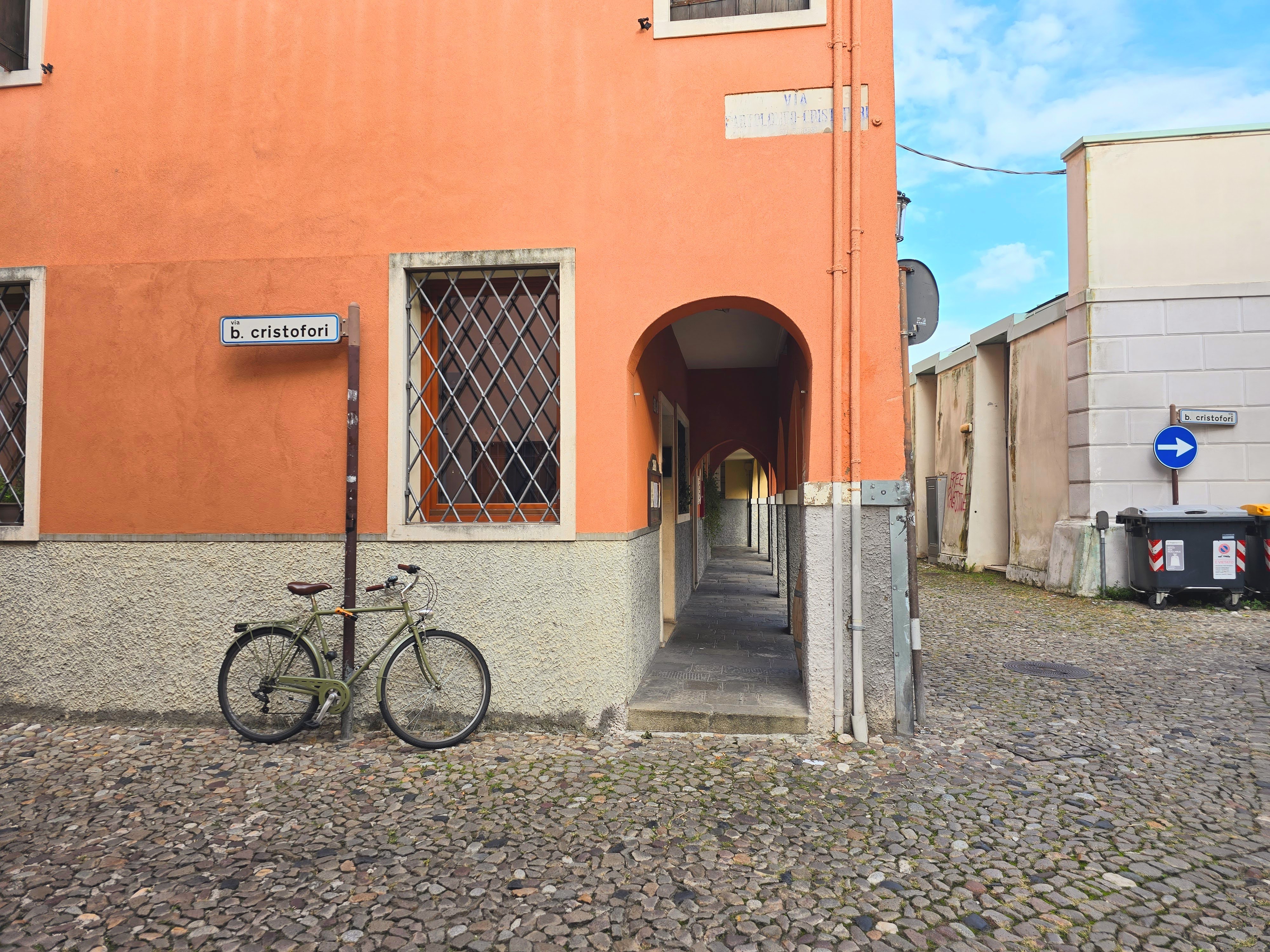
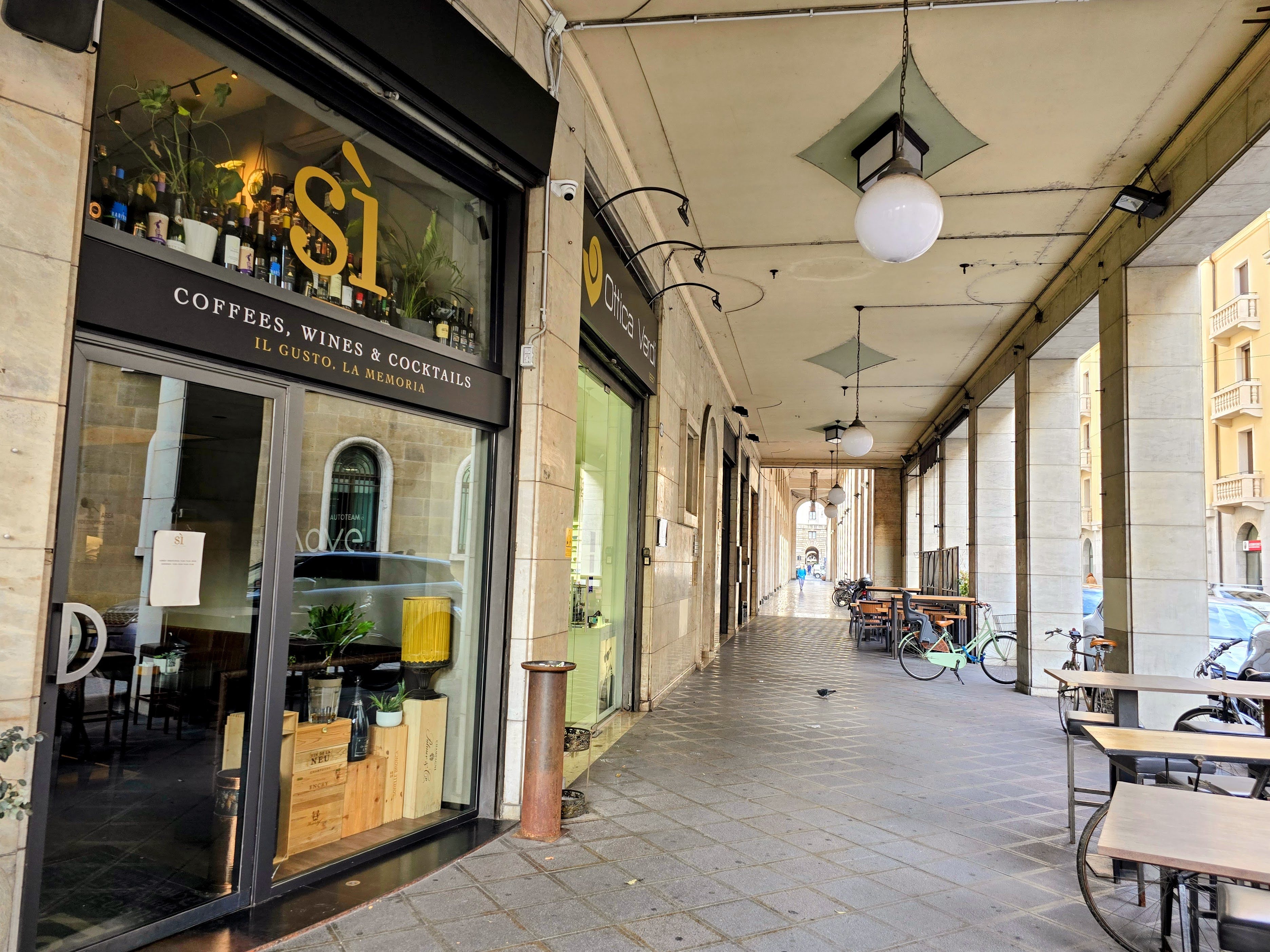
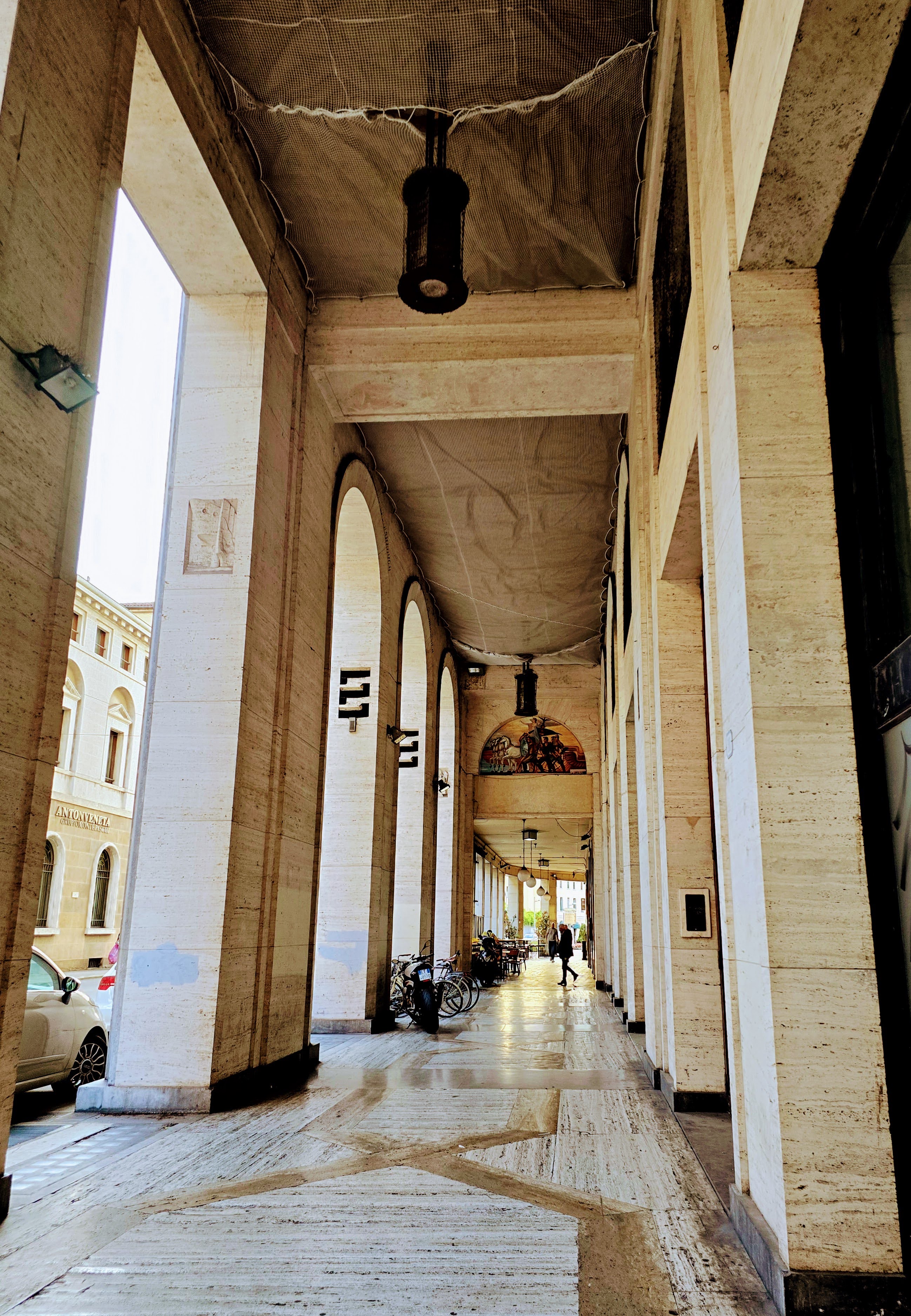
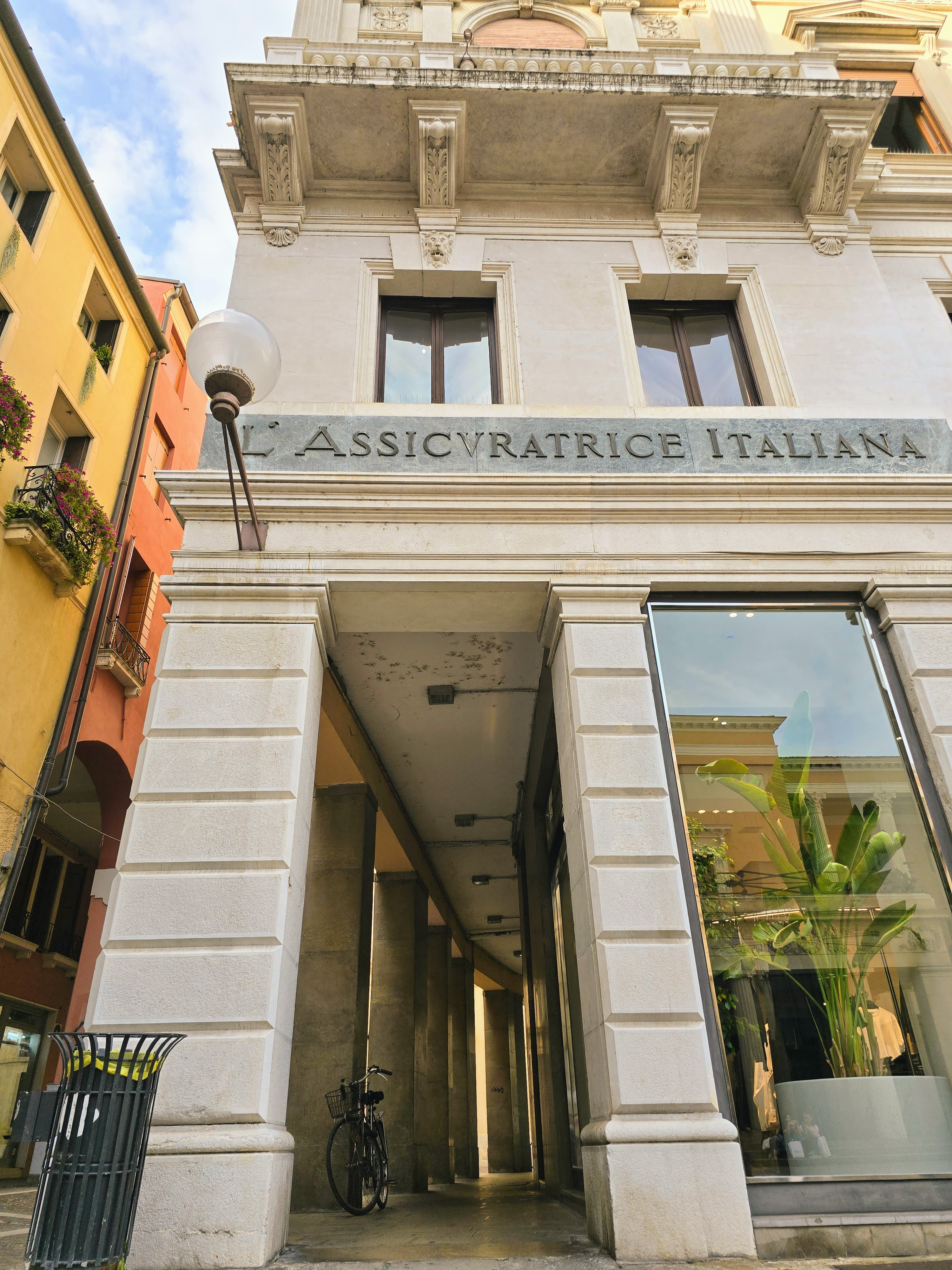
Portico’s are an element that should not be overlooked when brainstorming about urban renewals. They embody principles of active ground floors, road safety, mixed-use land, and above all, the prioritization of people over cars. Cities designed with such thoughtful infrastructure become places to enjoy, where businesses can thrive and communities flourish.
 The greener, the merrier