Visiting Seattle for the very first time was a whirlwind, and in just 57 hours, I found myself falling in love with two things: the city’s infrastructure and its deep commitment to its residents. As a transportation policy professional, I’ve seen countless urban landscapes. In the US, I am rarely impressed by transit facilities or transportation options, but Seattle left a lasting impression, one that highlights what’s possible when a city invests in its people and their mobility.
Seamless Transit
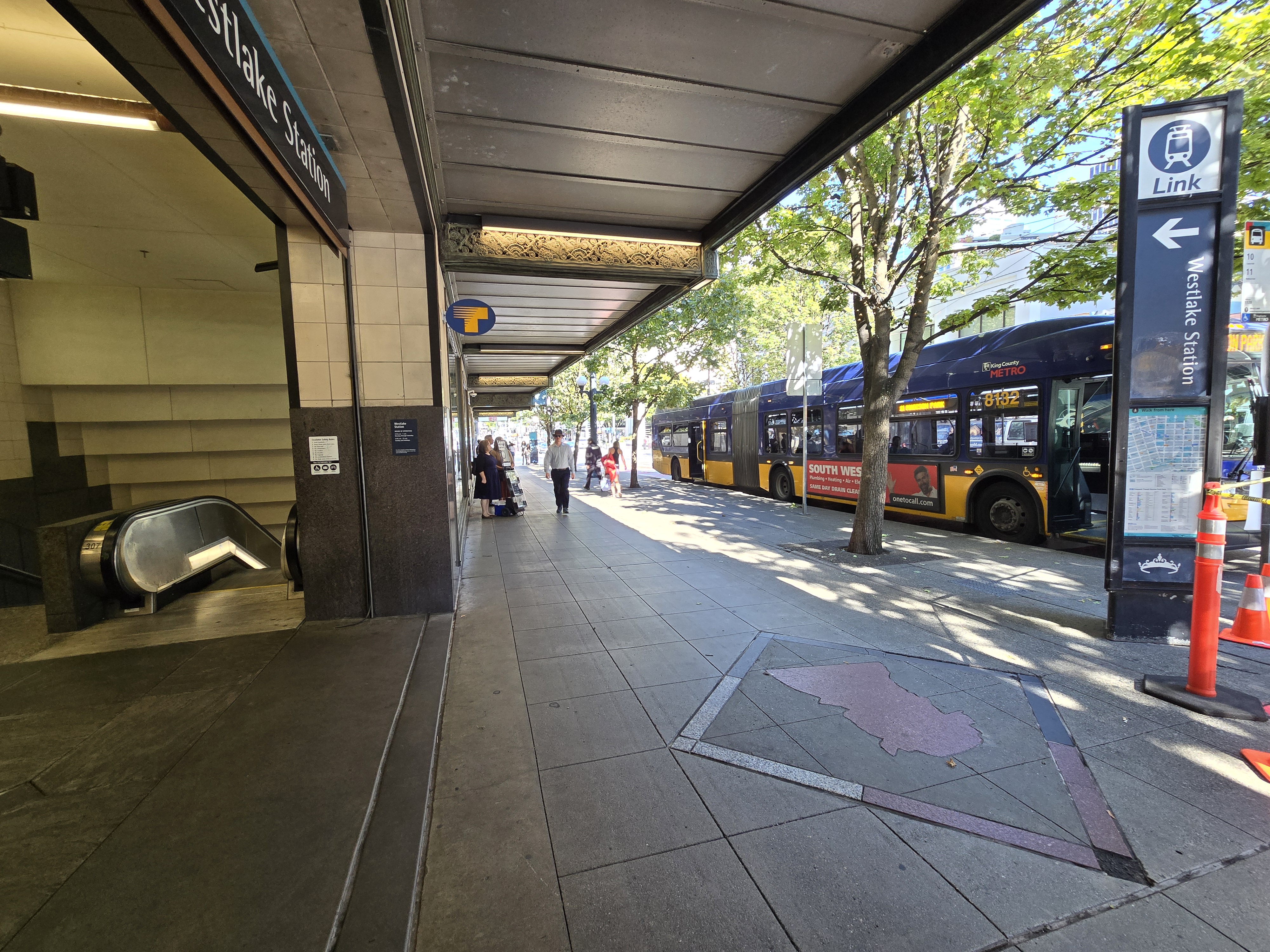
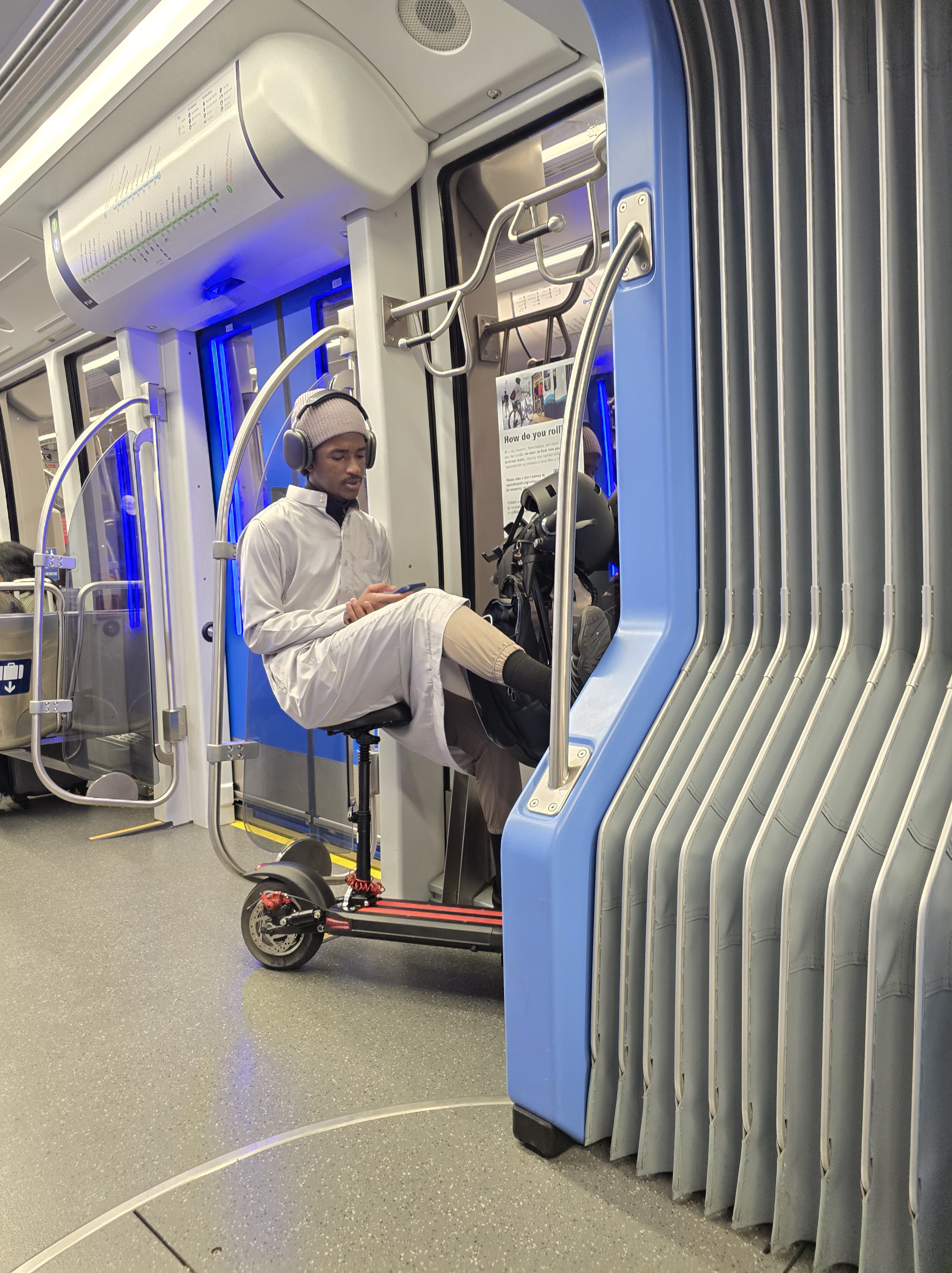
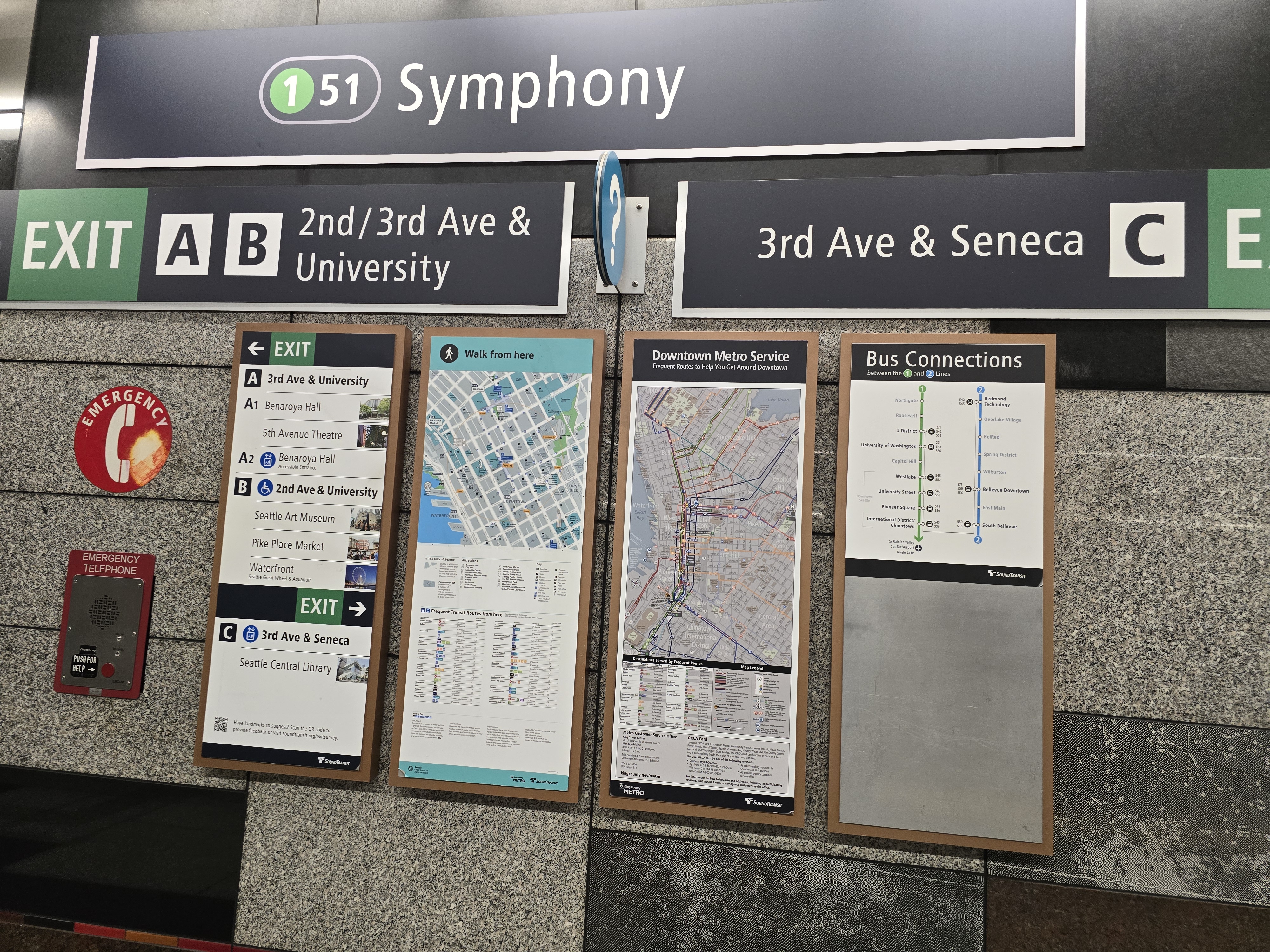
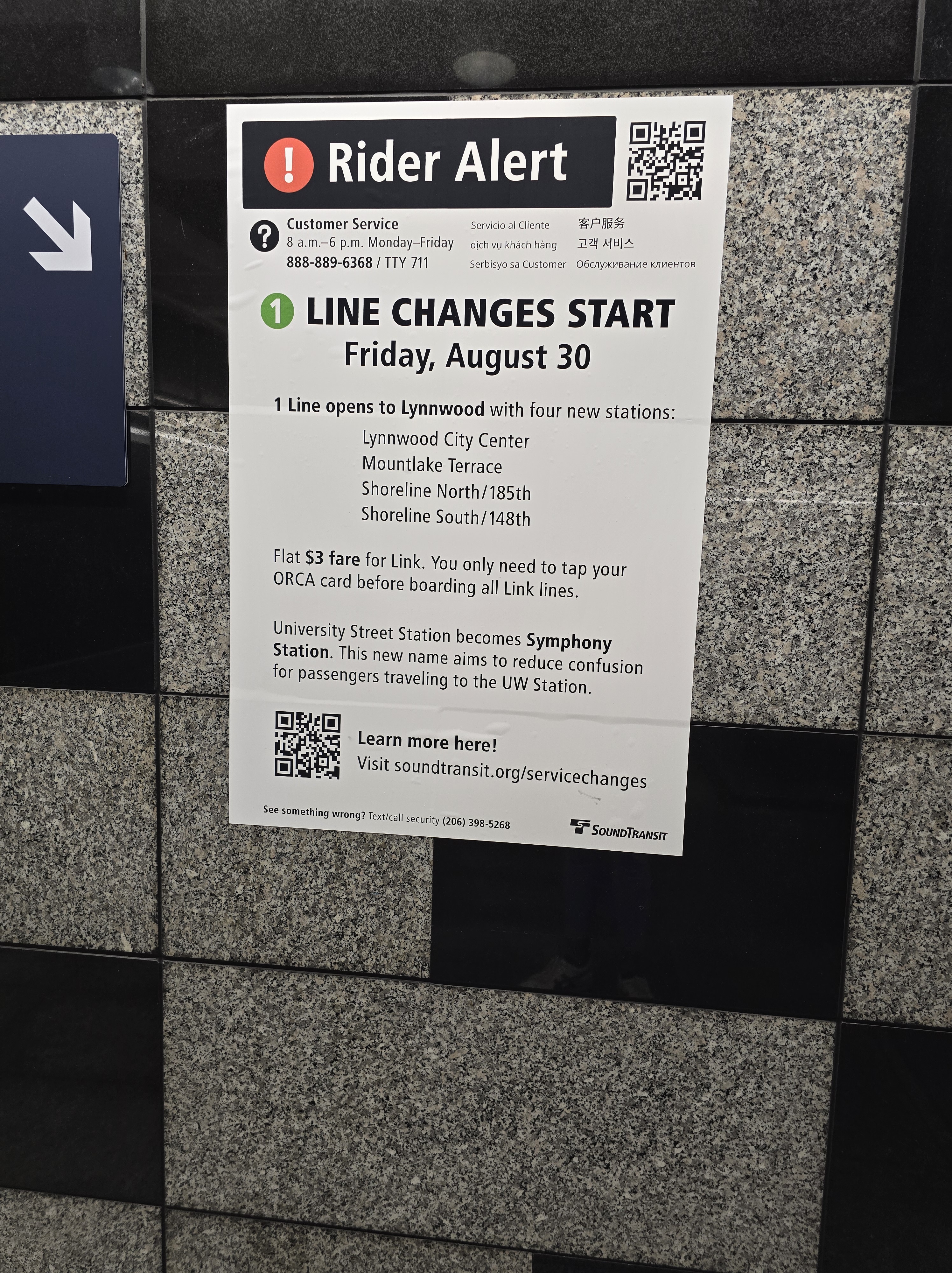
From the moment I landed, I was impressed by how easy it was to navigate the transit system. With just one card—the ORCA, which can also be virtual—you can access everything. I hopped onto a single transit line from the airport, which zipped me straight to downtown Seattle with incredible ease. Even late at night, the frequency was high, a rarity in many cities. This kind of accessibility sets the tone for a city that prioritizes movement, ensuring residents and visitors alike can travel efficiently. Furthermore, you can bring on board other personal transportation devices for your last-mile!
Exploring Seattle on Two Wheels
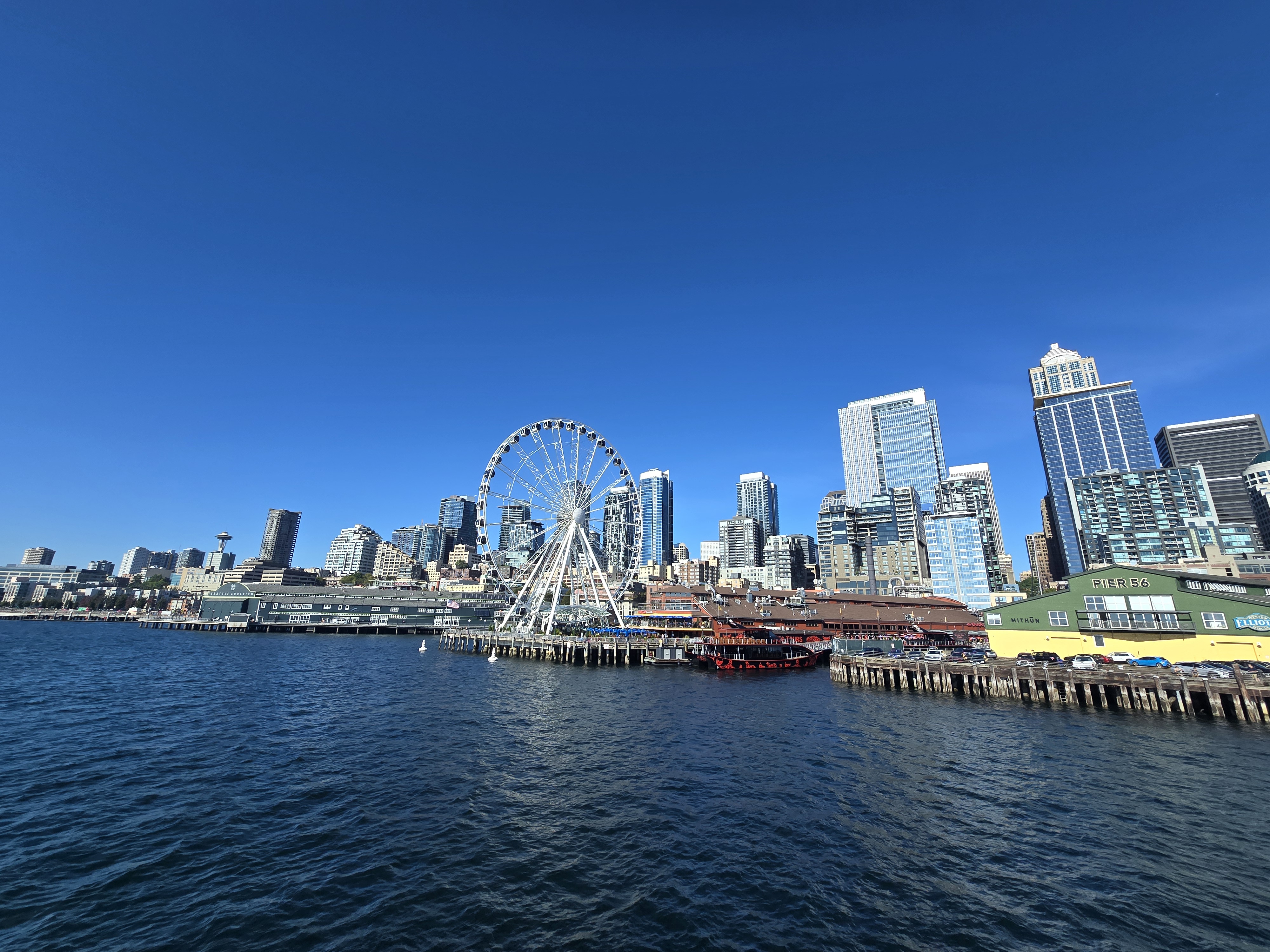
The next day, I embraced Seattle’s bike-friendly streets with a Lime pass and clocked in over 20 miles, traversing various neighborhoods. From the Seattle Waterfront, Elliot Bay, and Salmon Bay to Green Lake and the University District, every corner offered stunning views and dedicated infrastructure, nonetheless, there’s were a few mishaps. Not every bike lane had a continuity in width, direction, nor side of the road, segregation type, conditions, etc… What stood out were the small but powerful details: traffic-calming elements, elevated crosswalks, and protected left turns for bikes—each designed to minimize conflict between pedestrians, cyclists, and transit users.
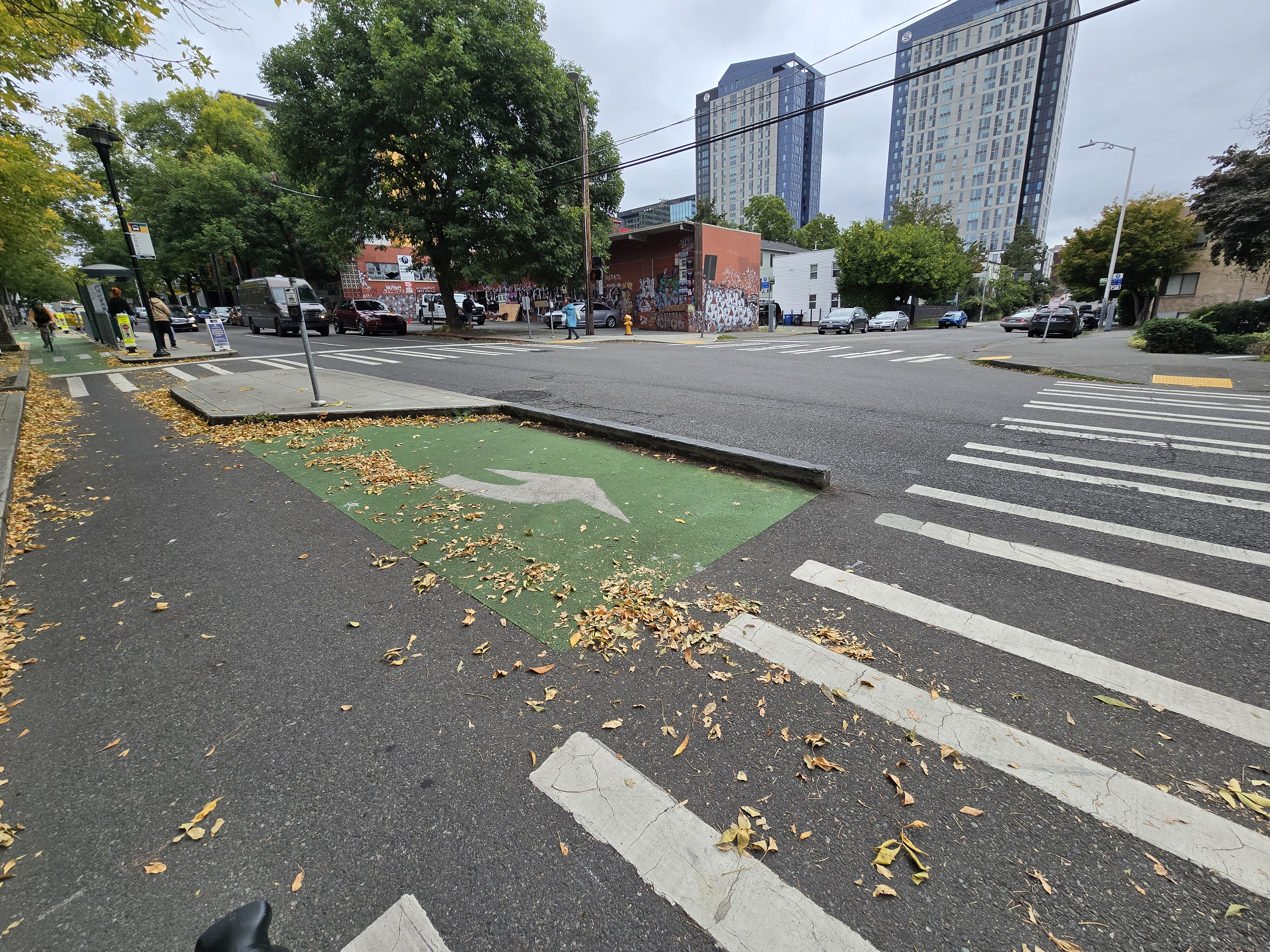
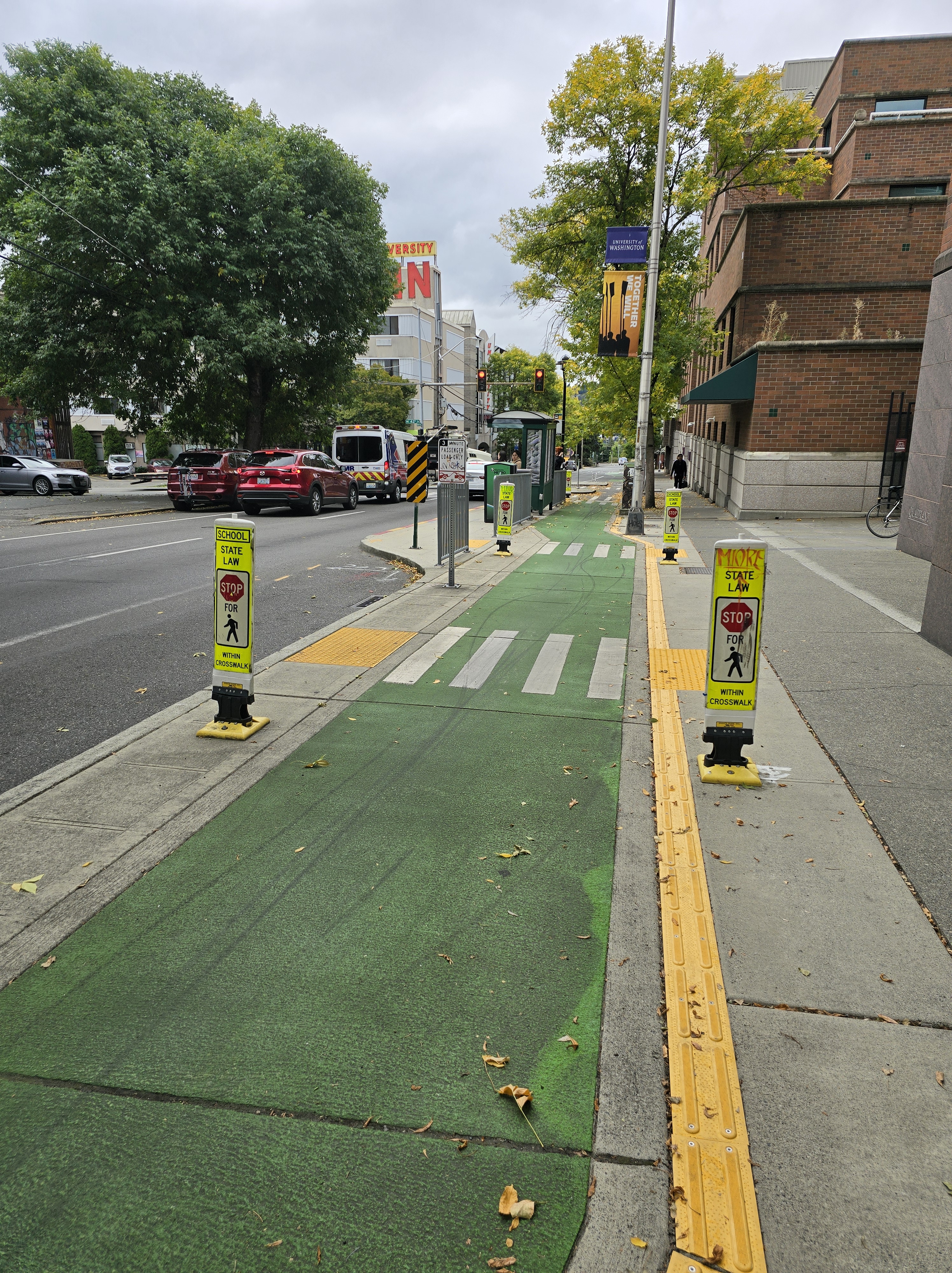
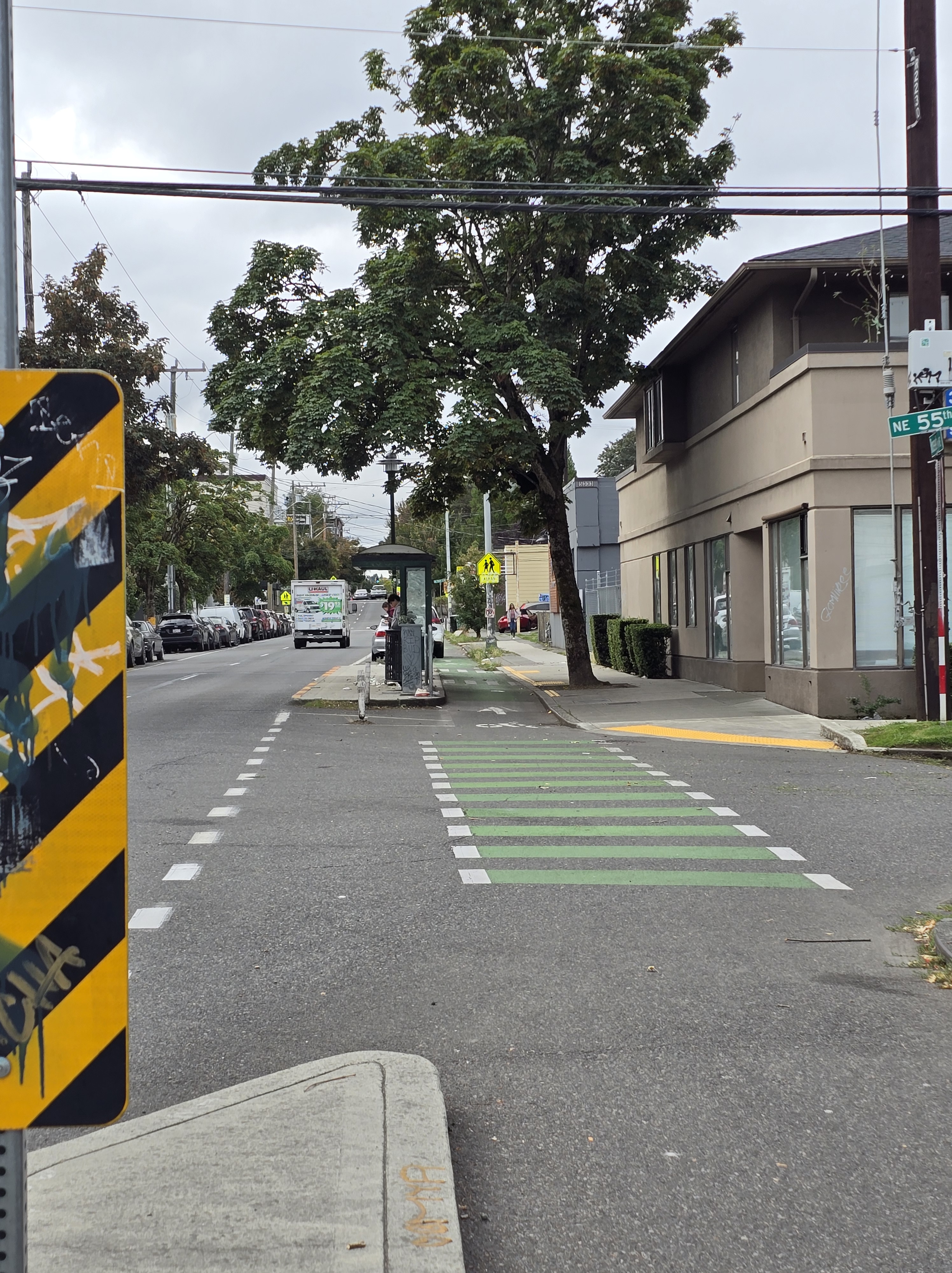
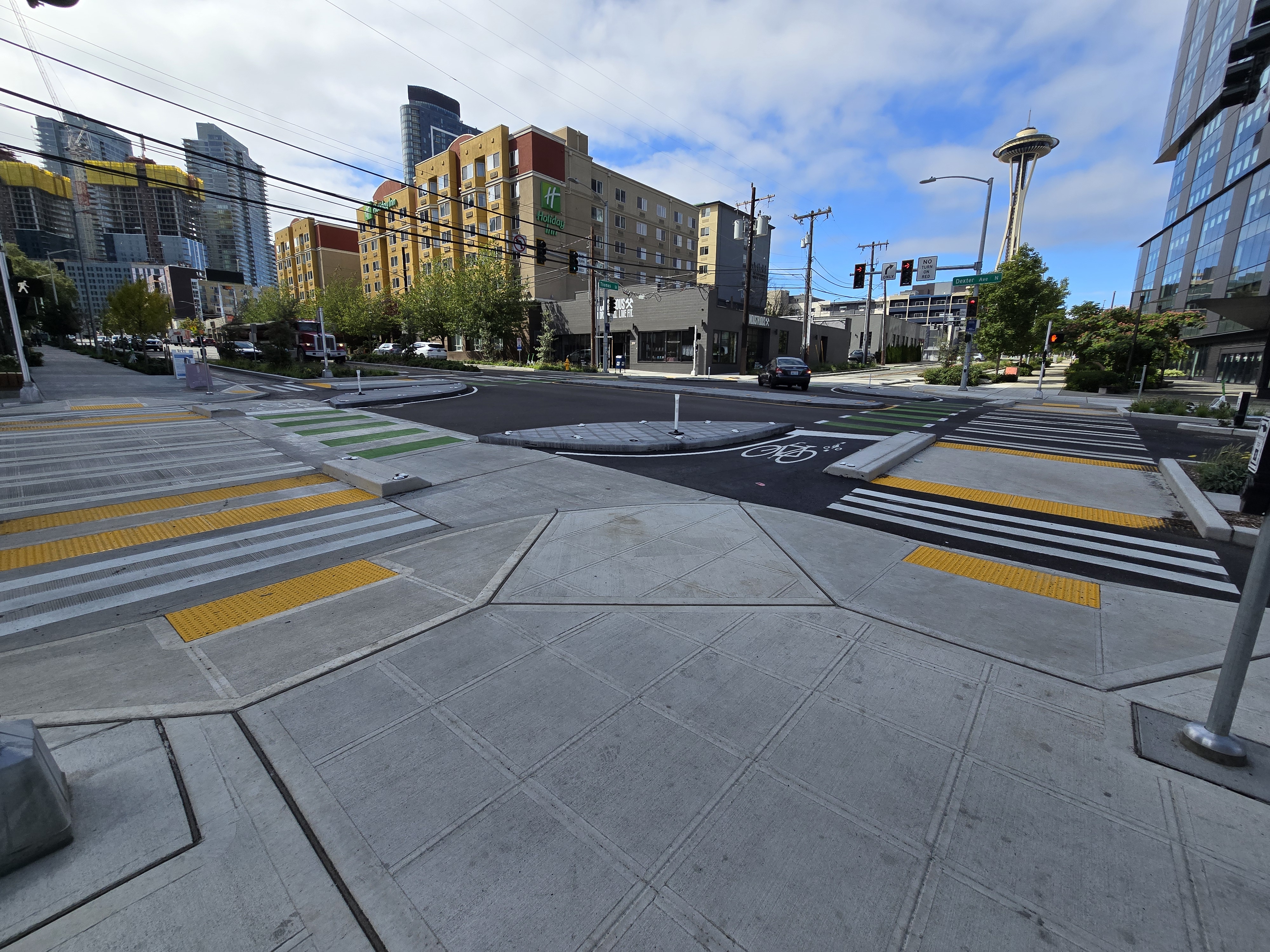
I rode the new LimeGlide, the reliable Gen 4.1 bikes, and Gen 4 scooters, and I was particularly grateful for the throttle feature on the bike —it made those Seattle hills a breeze!
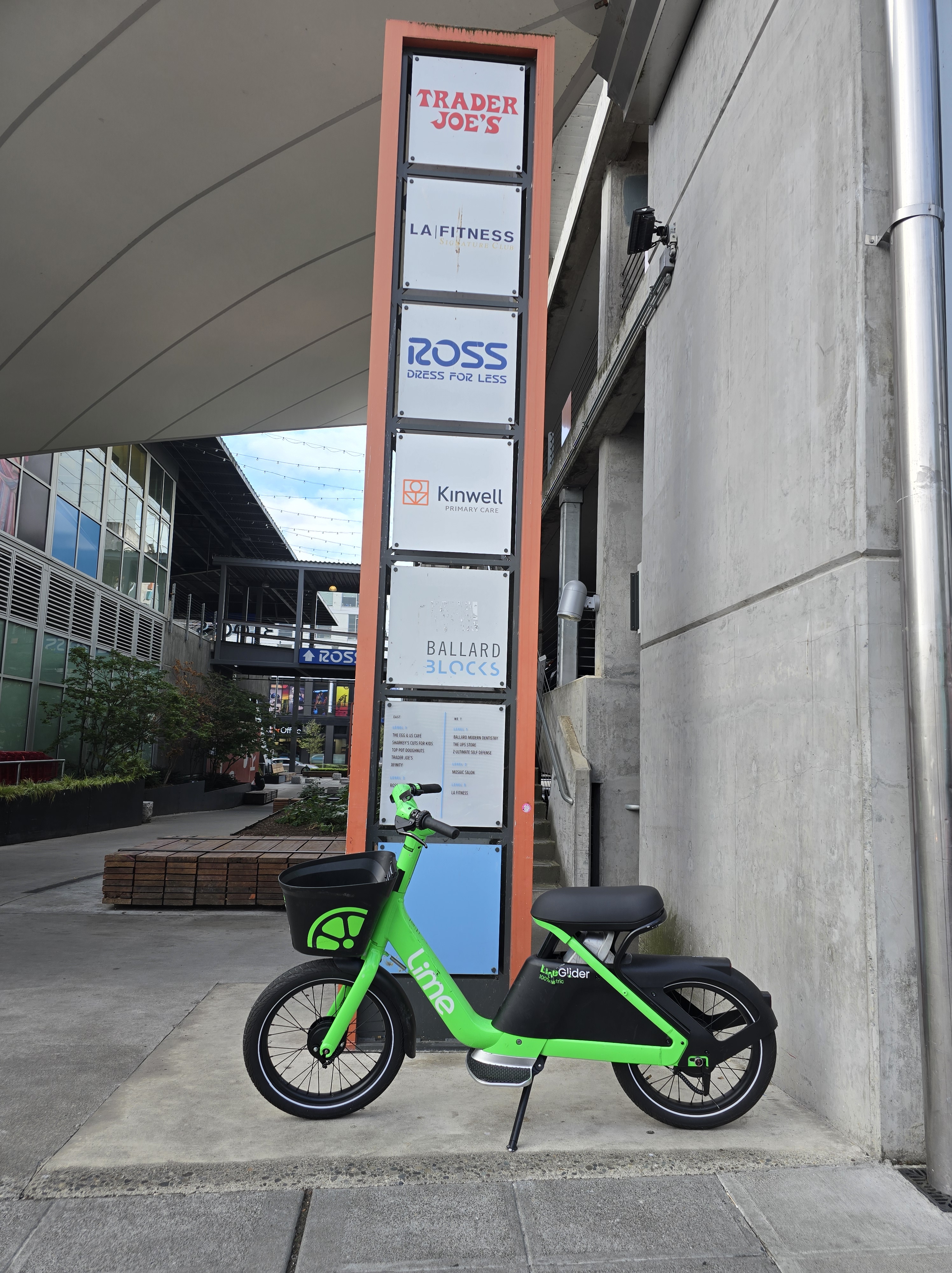
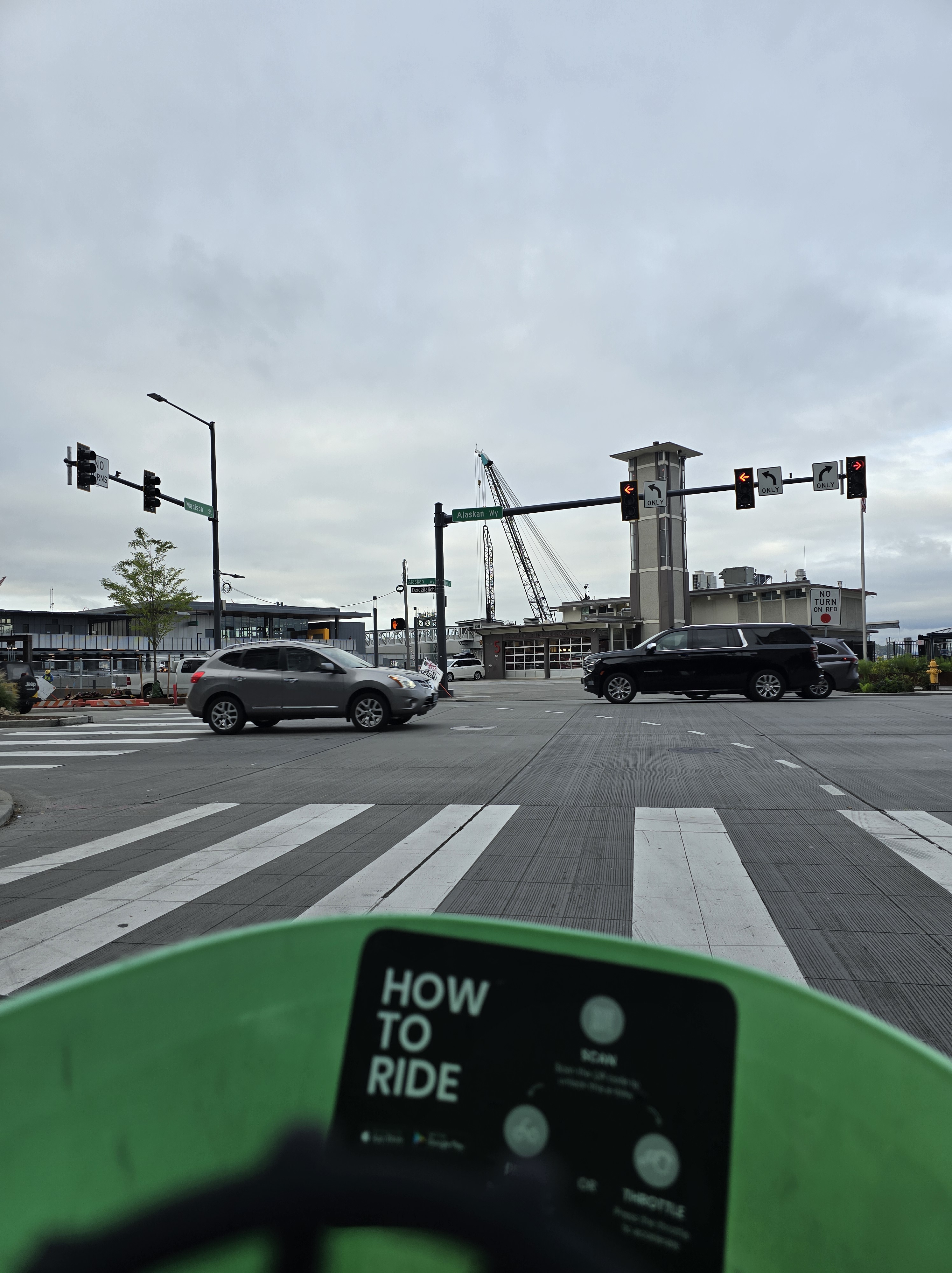
Crossing the Fremont Bridge during peak time was a highlight. The sheer diversity of commuters was astounding: families with kids, seniors on cargo bikes, runners, and fellow bike-share riders. It was a beautiful glimpse into a city that’s making cycling a safe, accessible option for all.
A Blend of the Old and New
While the ride north was a dream, the south side ride was a bit more challenging. Starting with a scenic route by the harbor, I was soon faced with conditions that were less pleasant near the harbor, and less accommodating bike lanes. St. Lucile Street, for instance, was quite the uphill battle. The painted bike lane coupled with overgrown bushes, made for a tricky ride. Yet, as I moved through S Columbian Way and into neighborhoods along Rainier Avenue, the character of Seattle shifted again, from bustling urban areas to cozy pockets of small businesses.
A Tourist’s First Glimpse
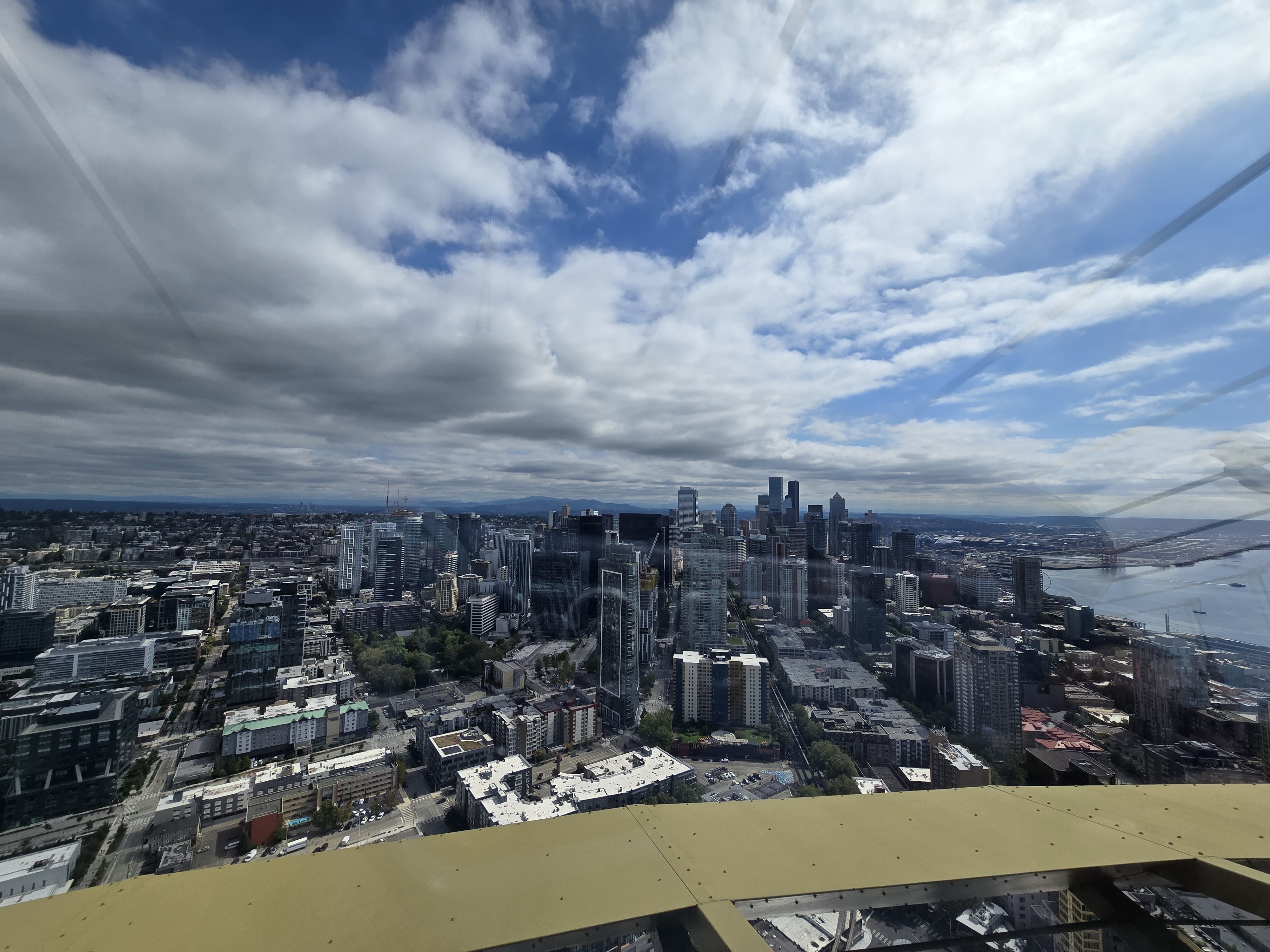
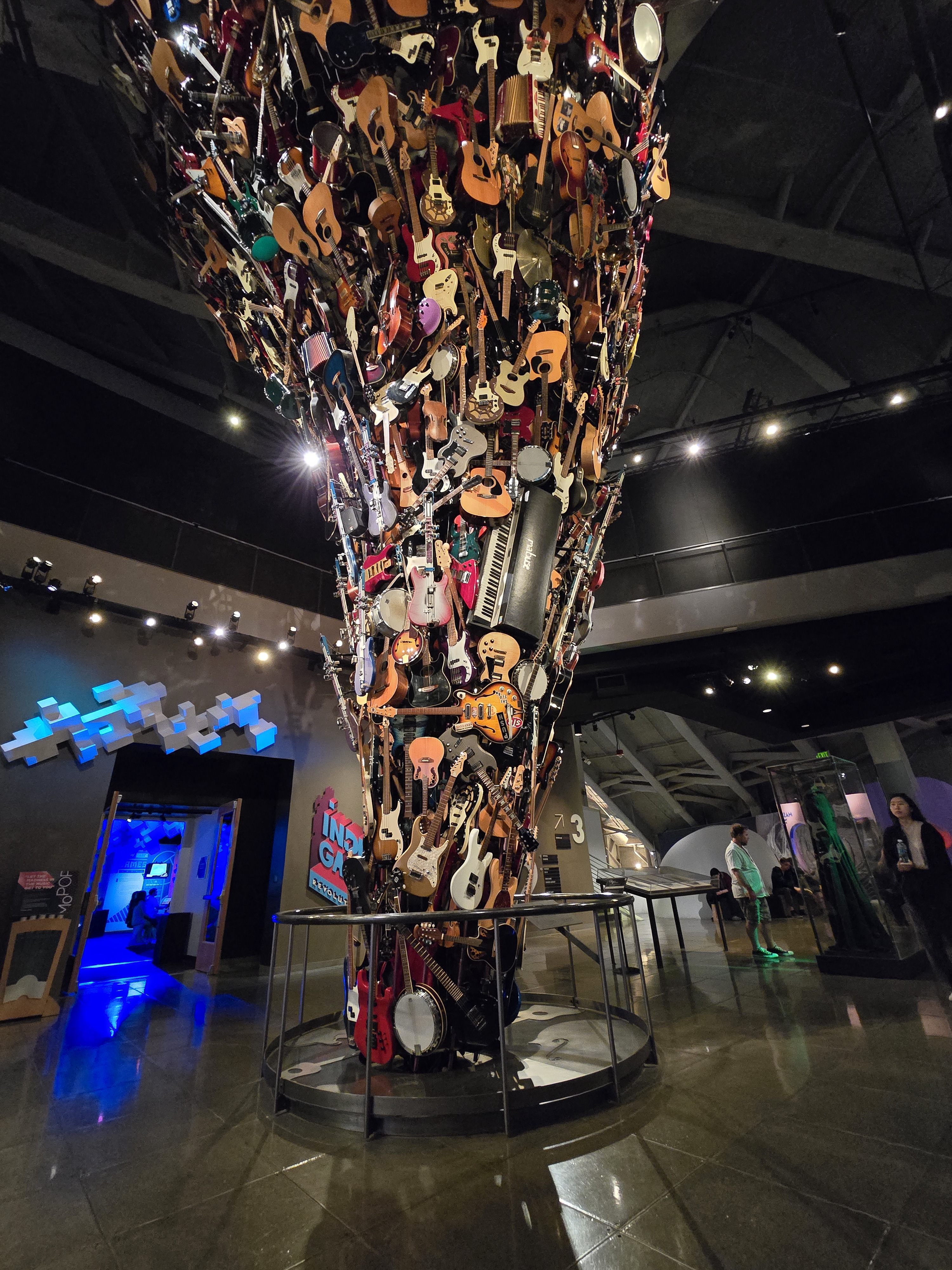
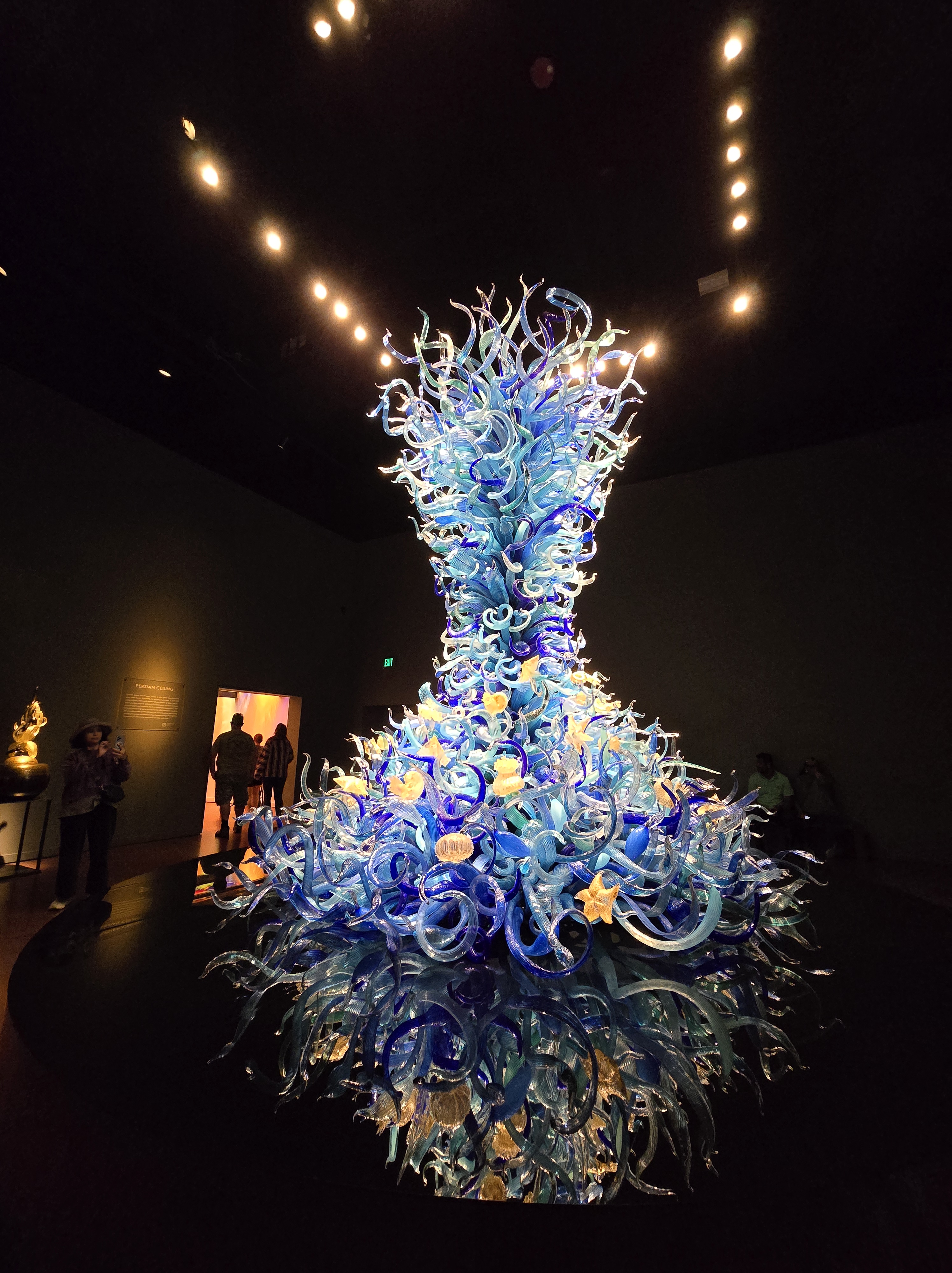
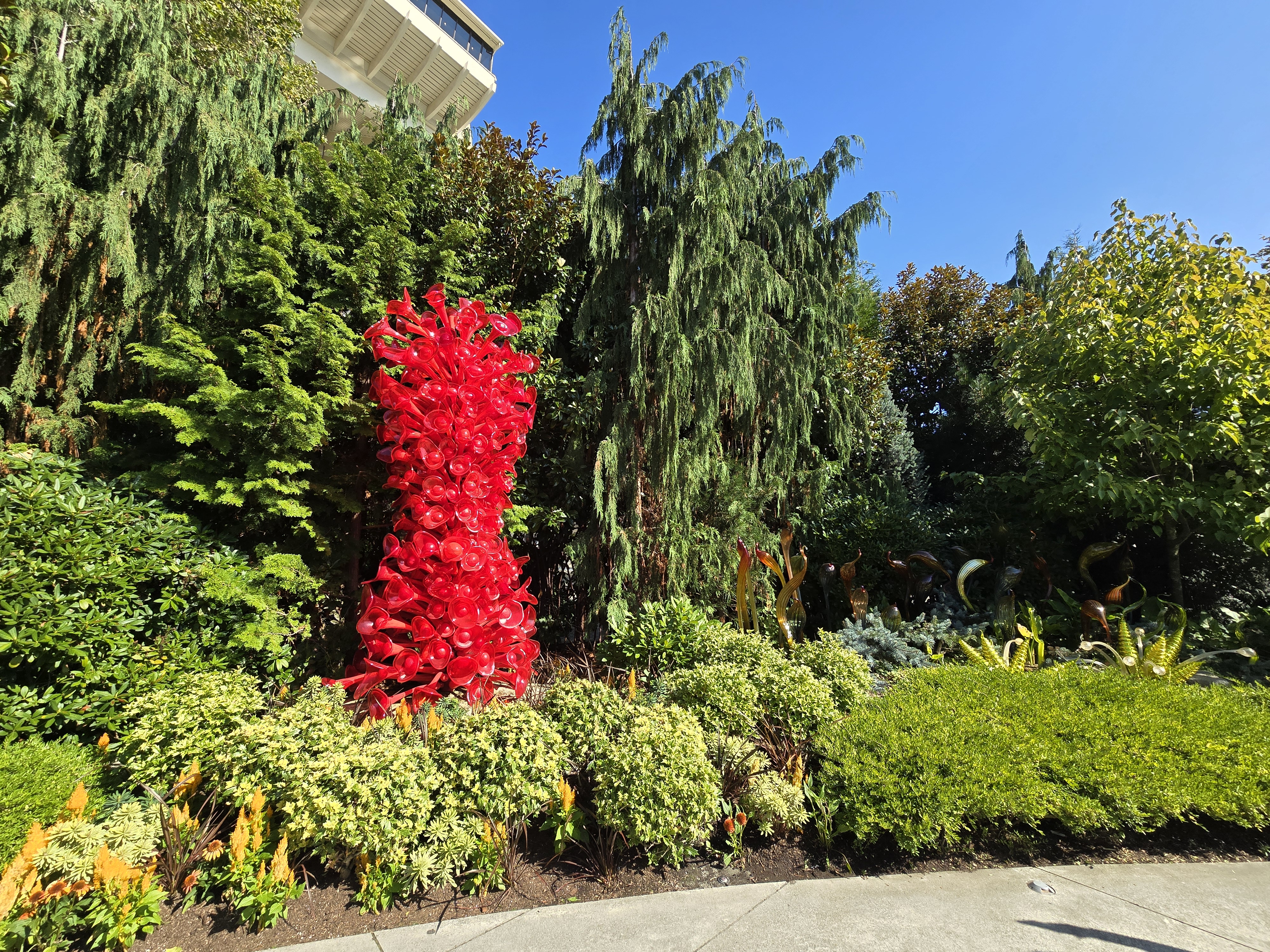
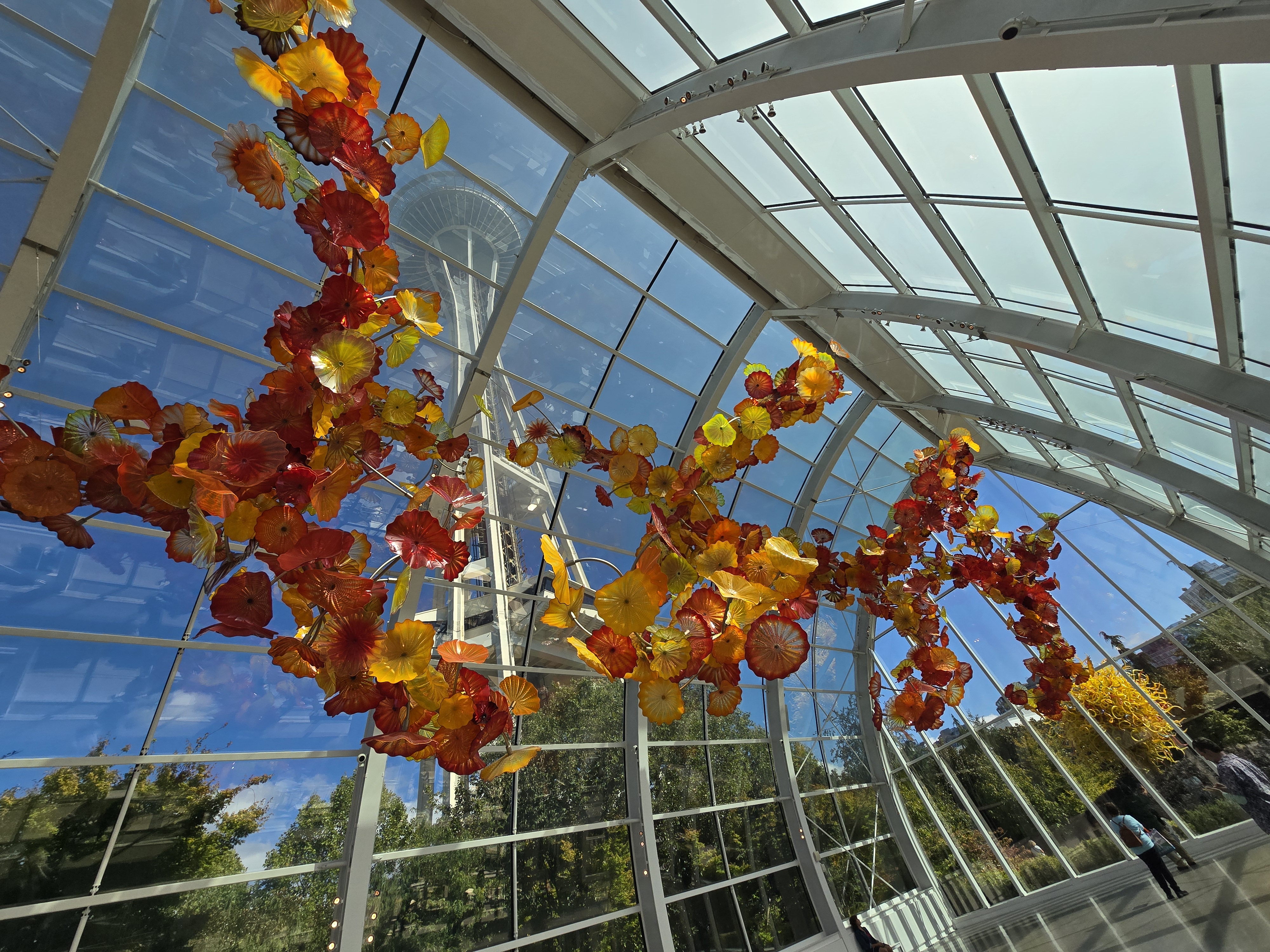
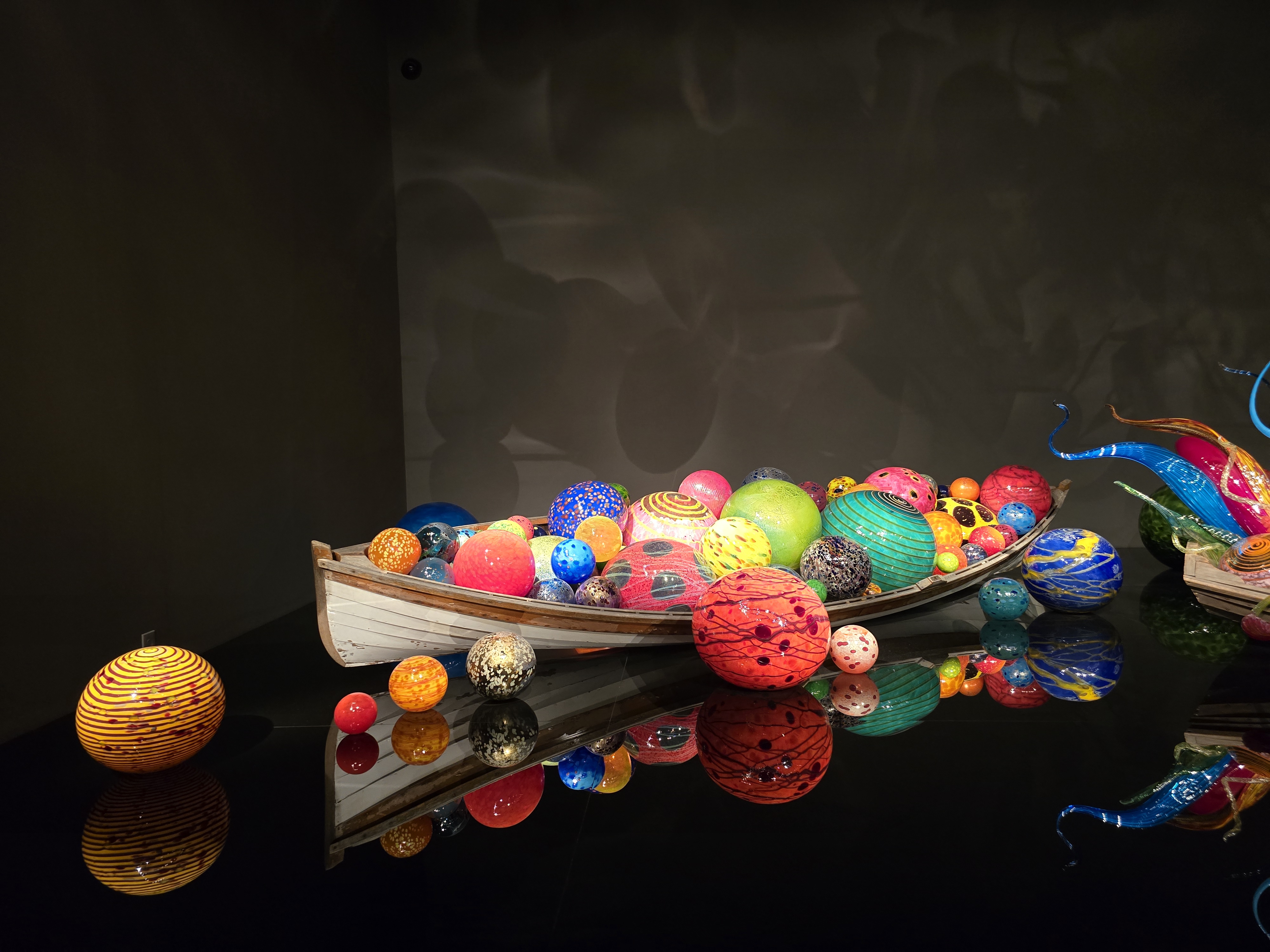
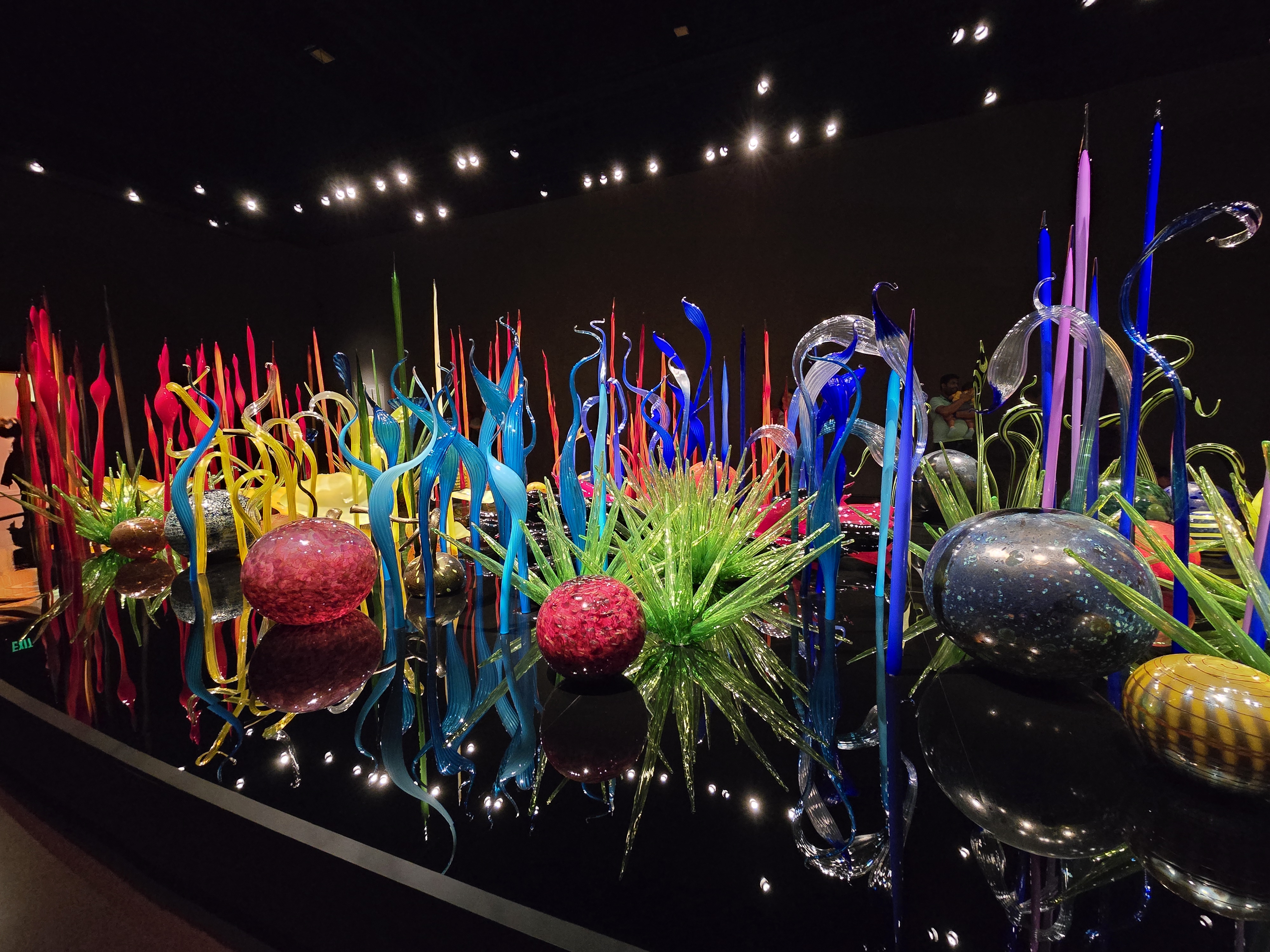
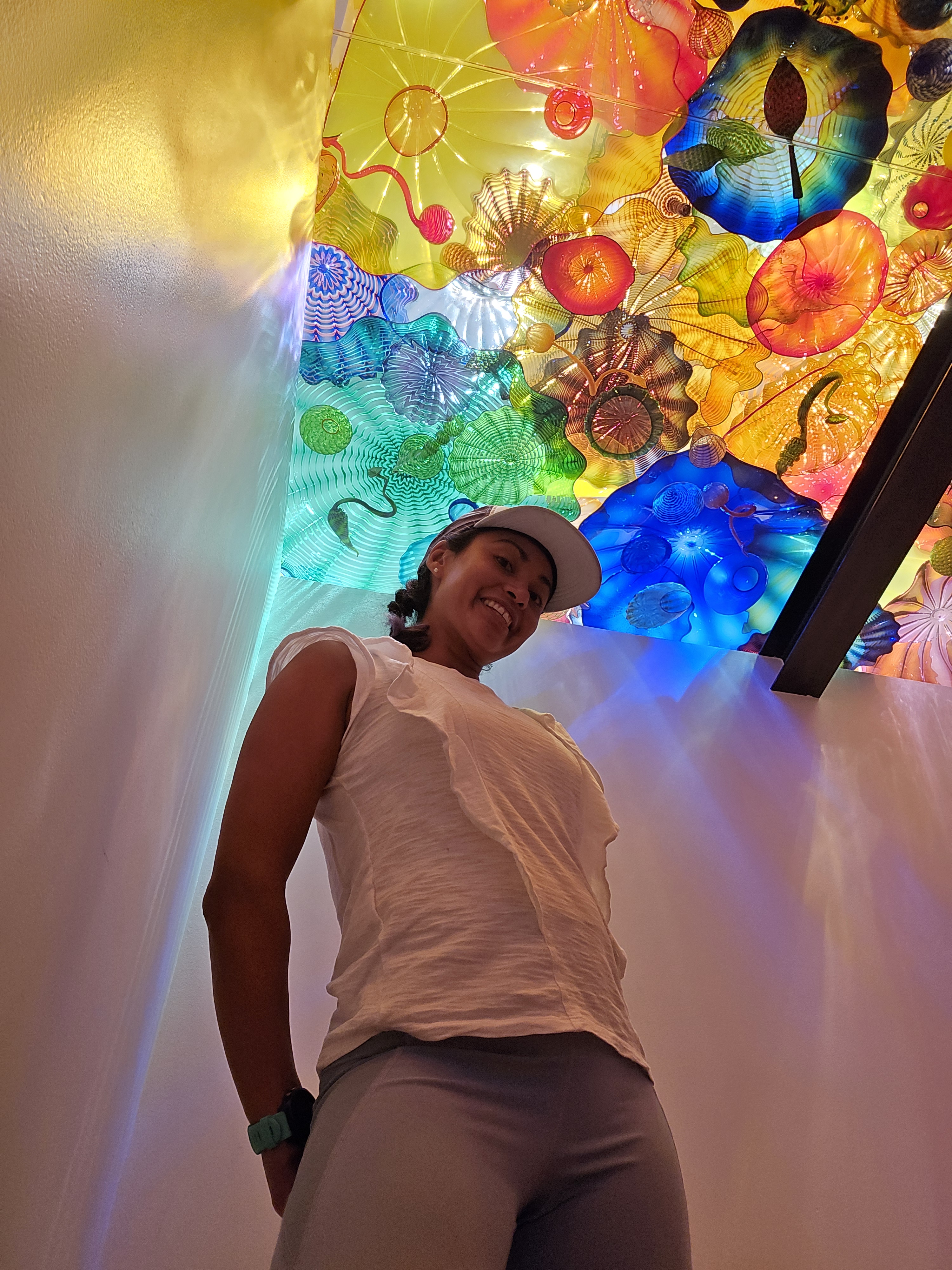
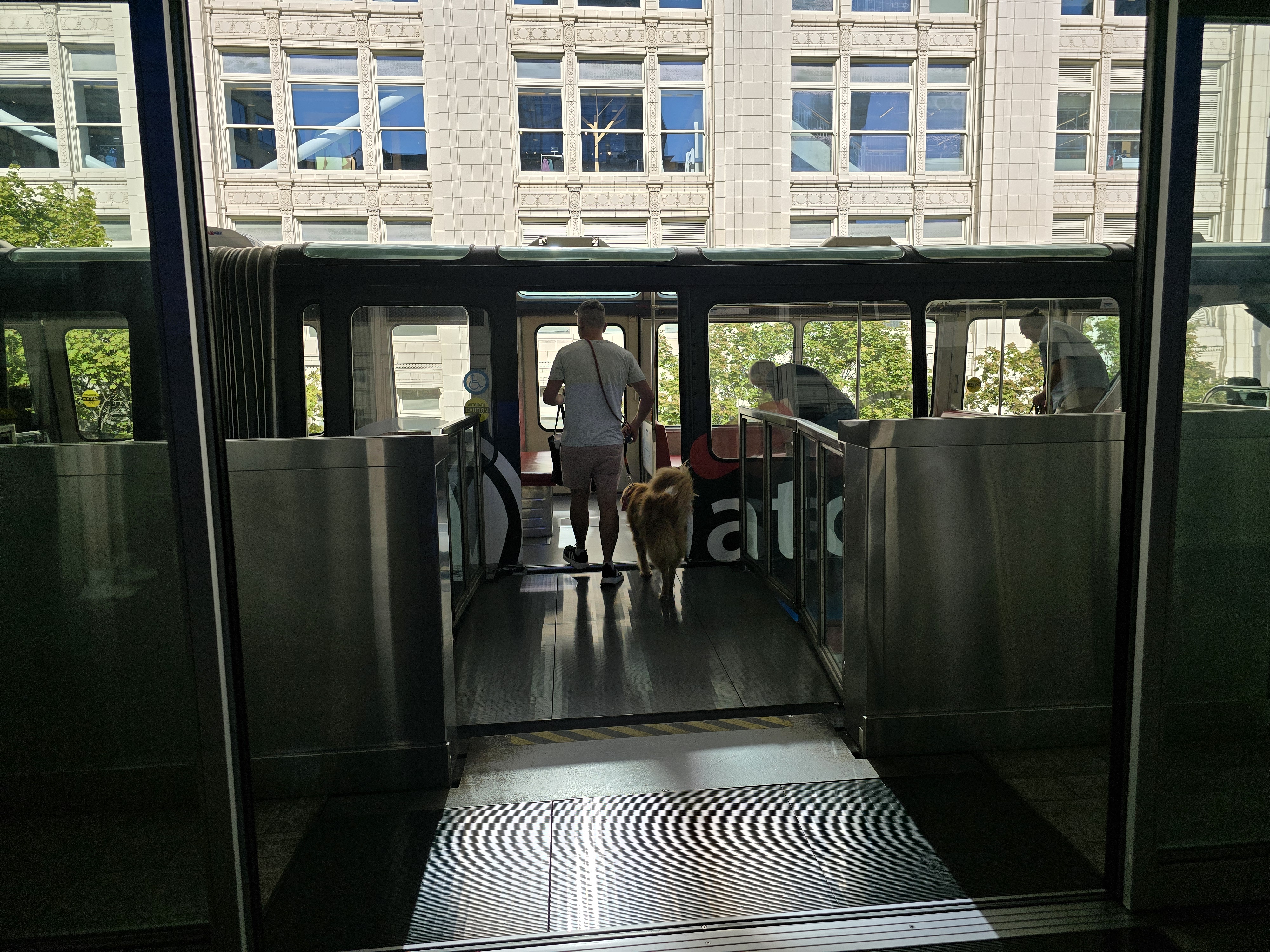
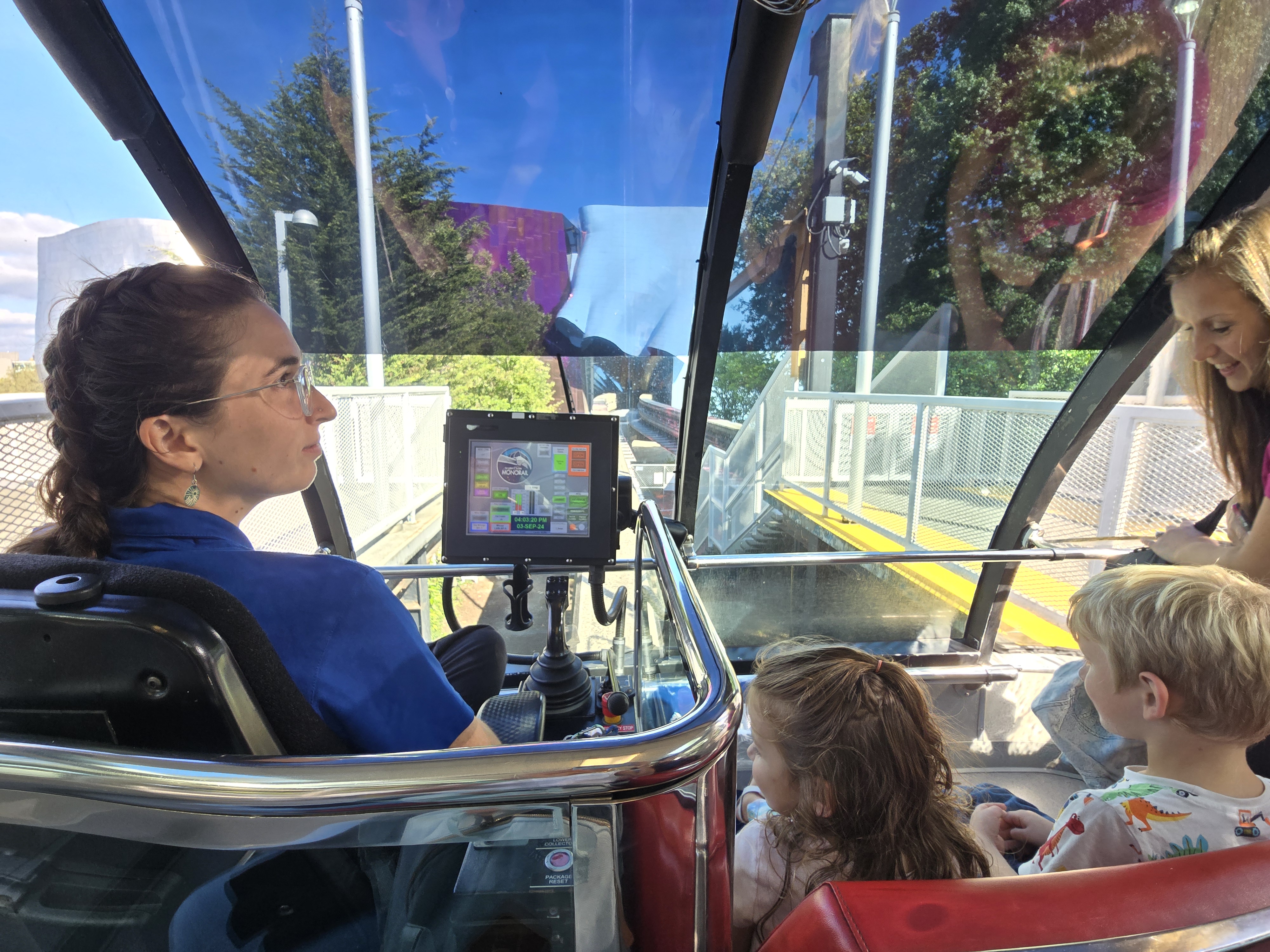
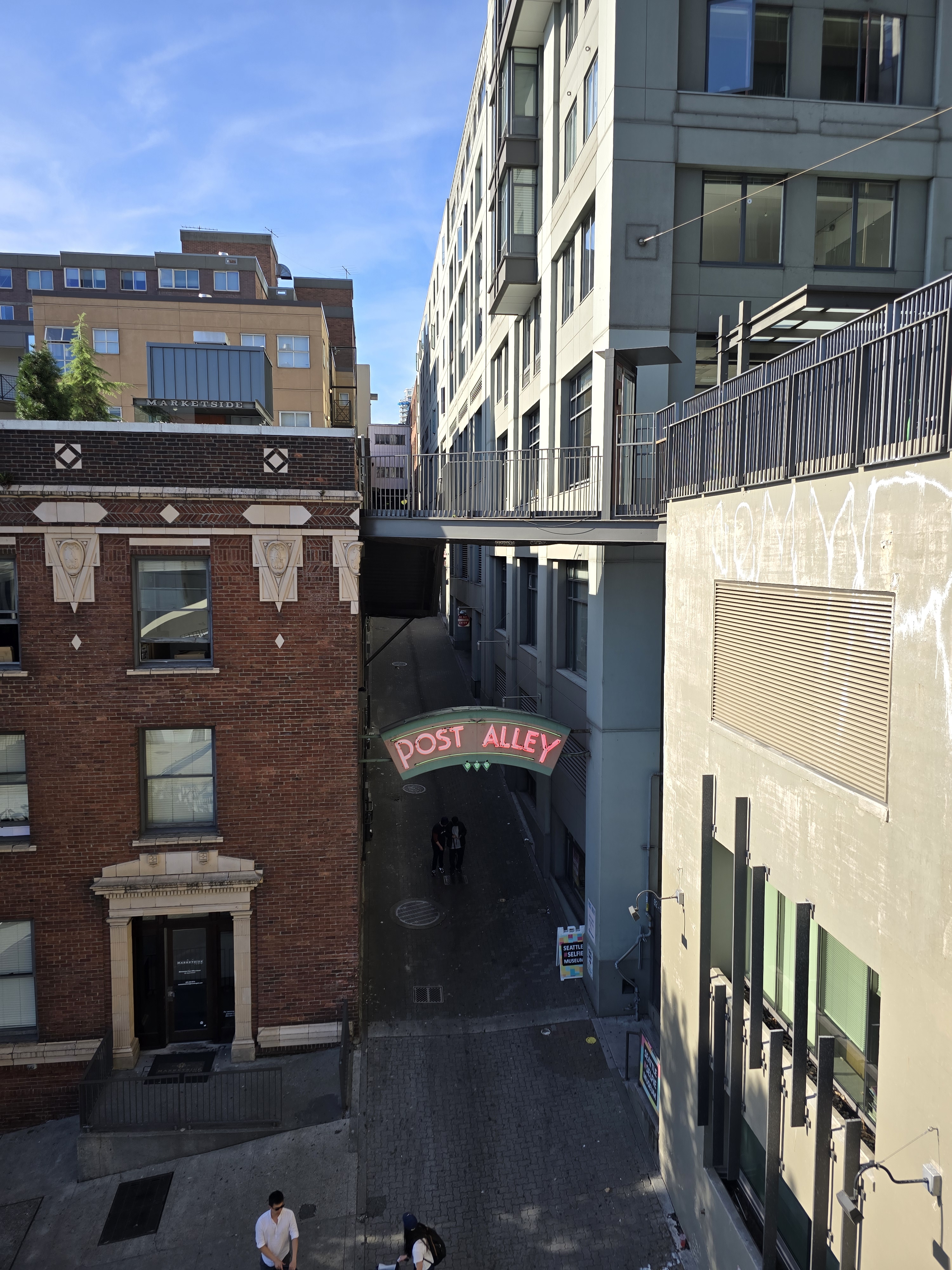
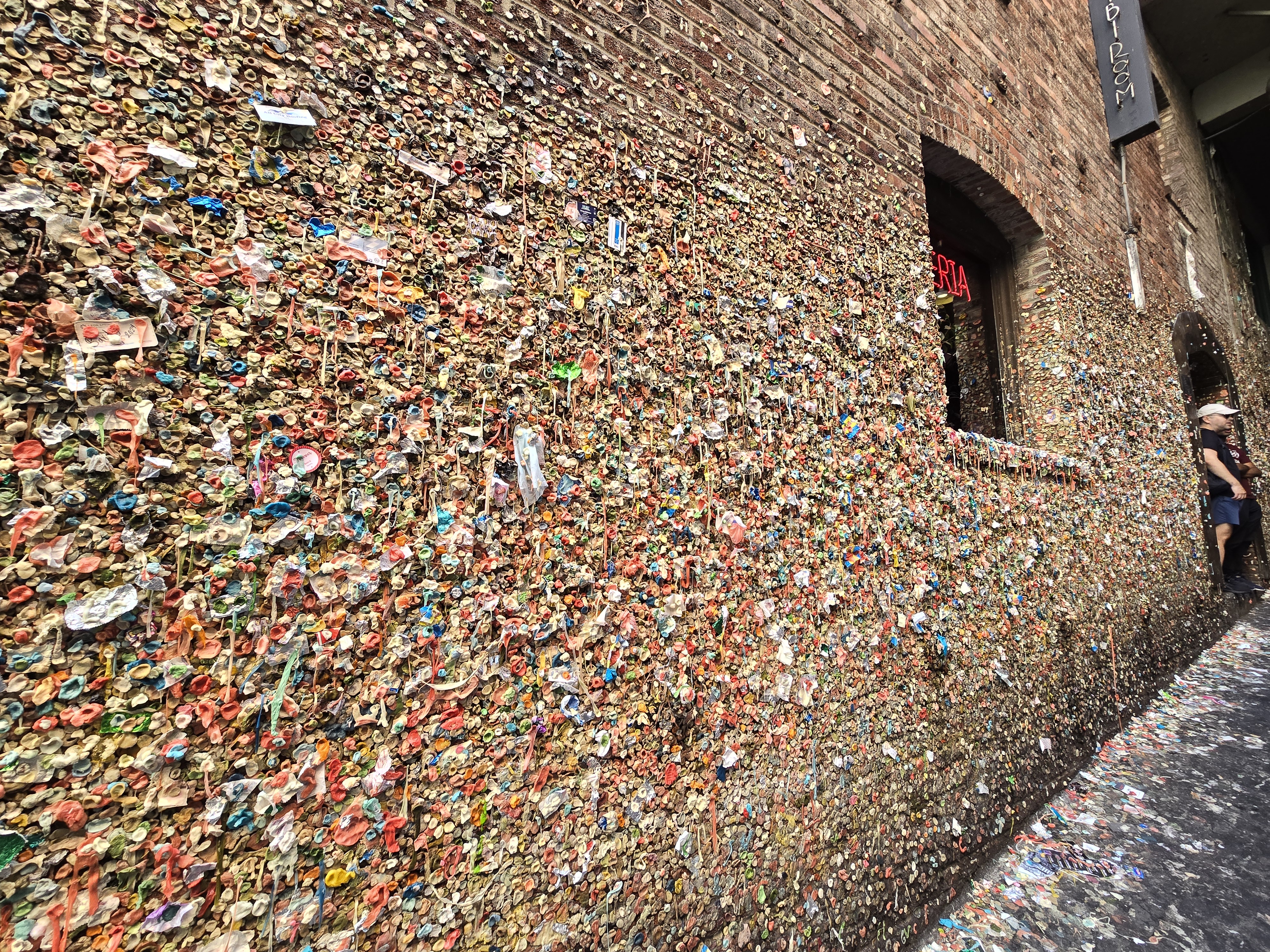
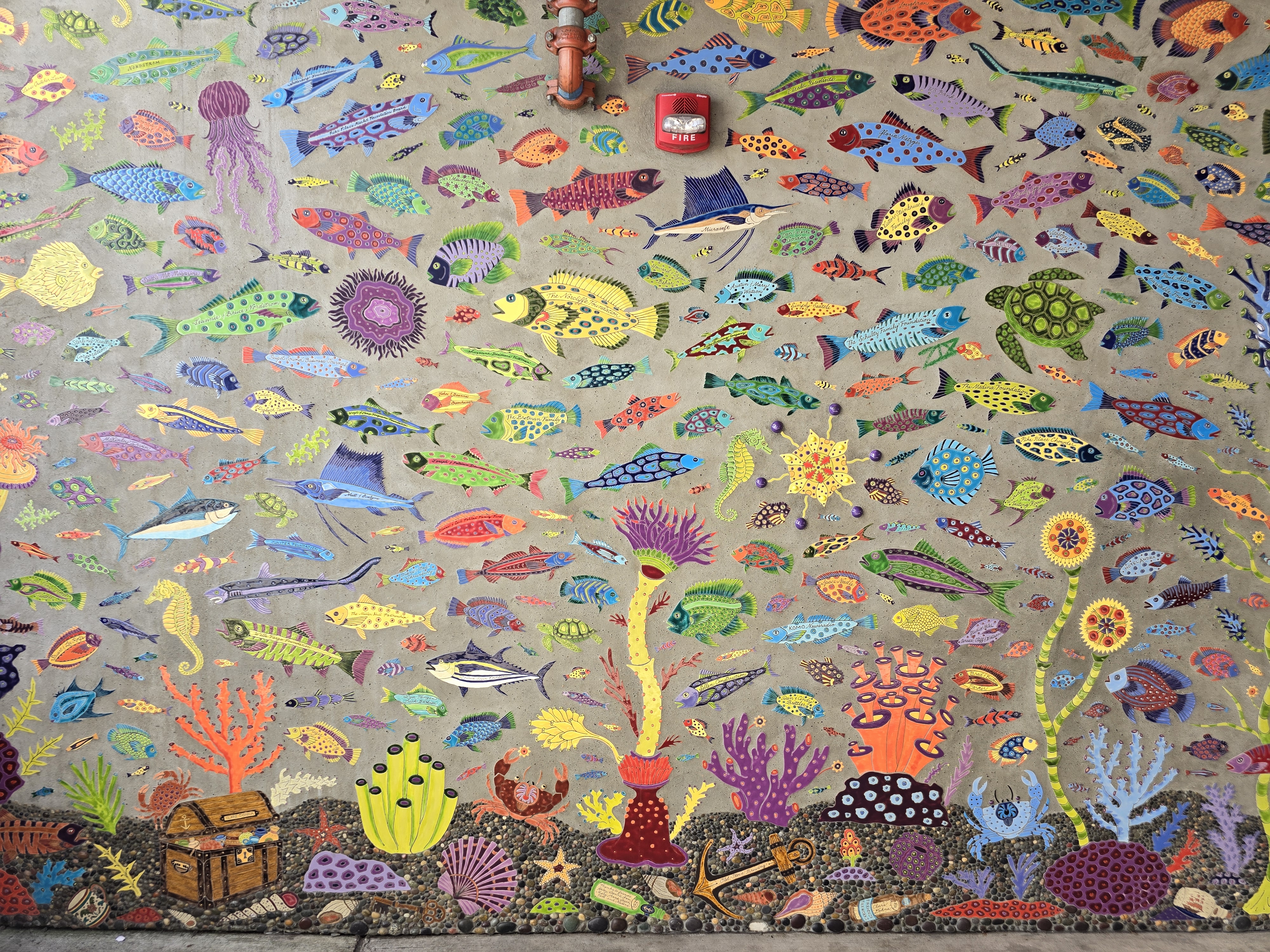
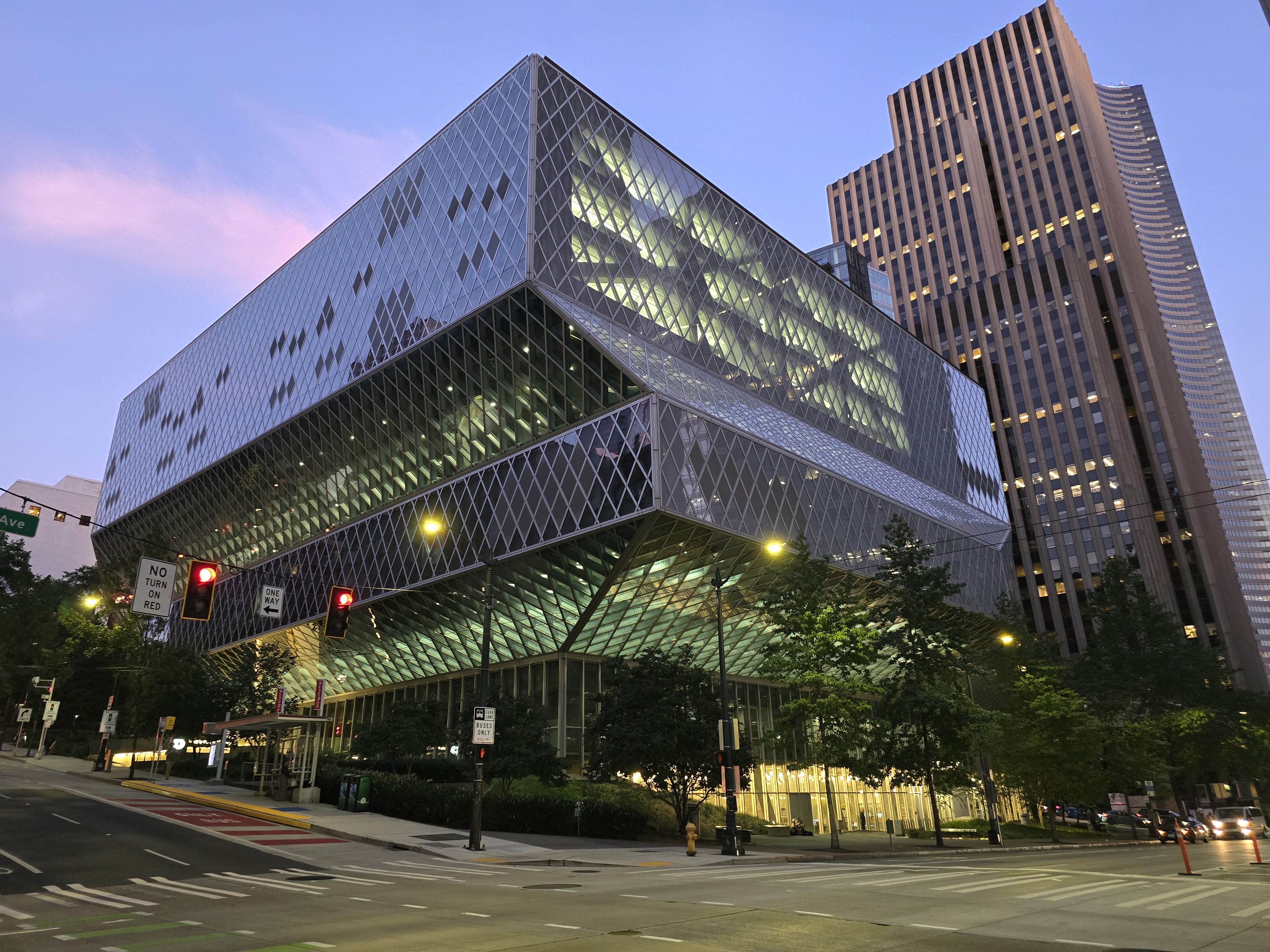
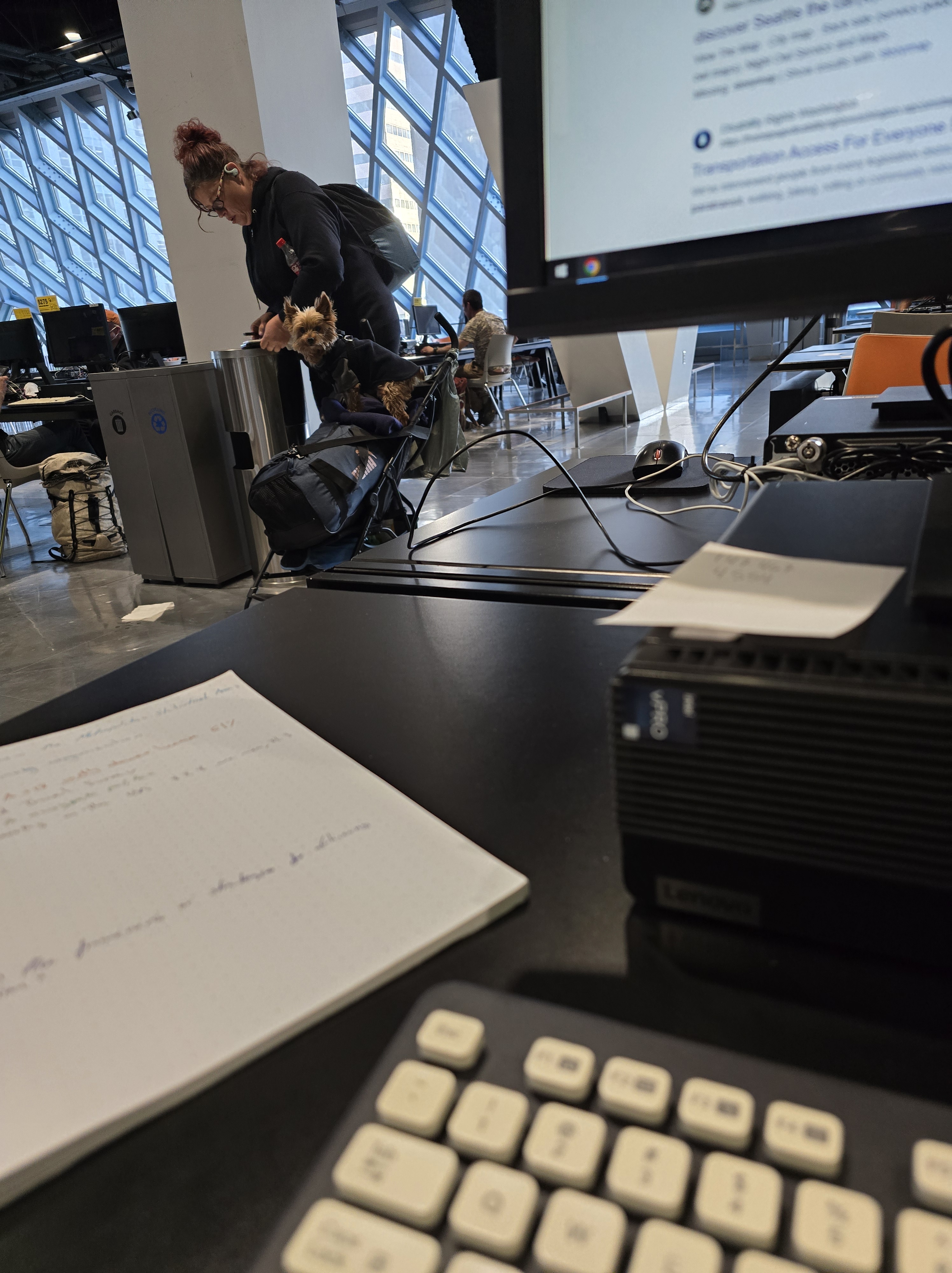
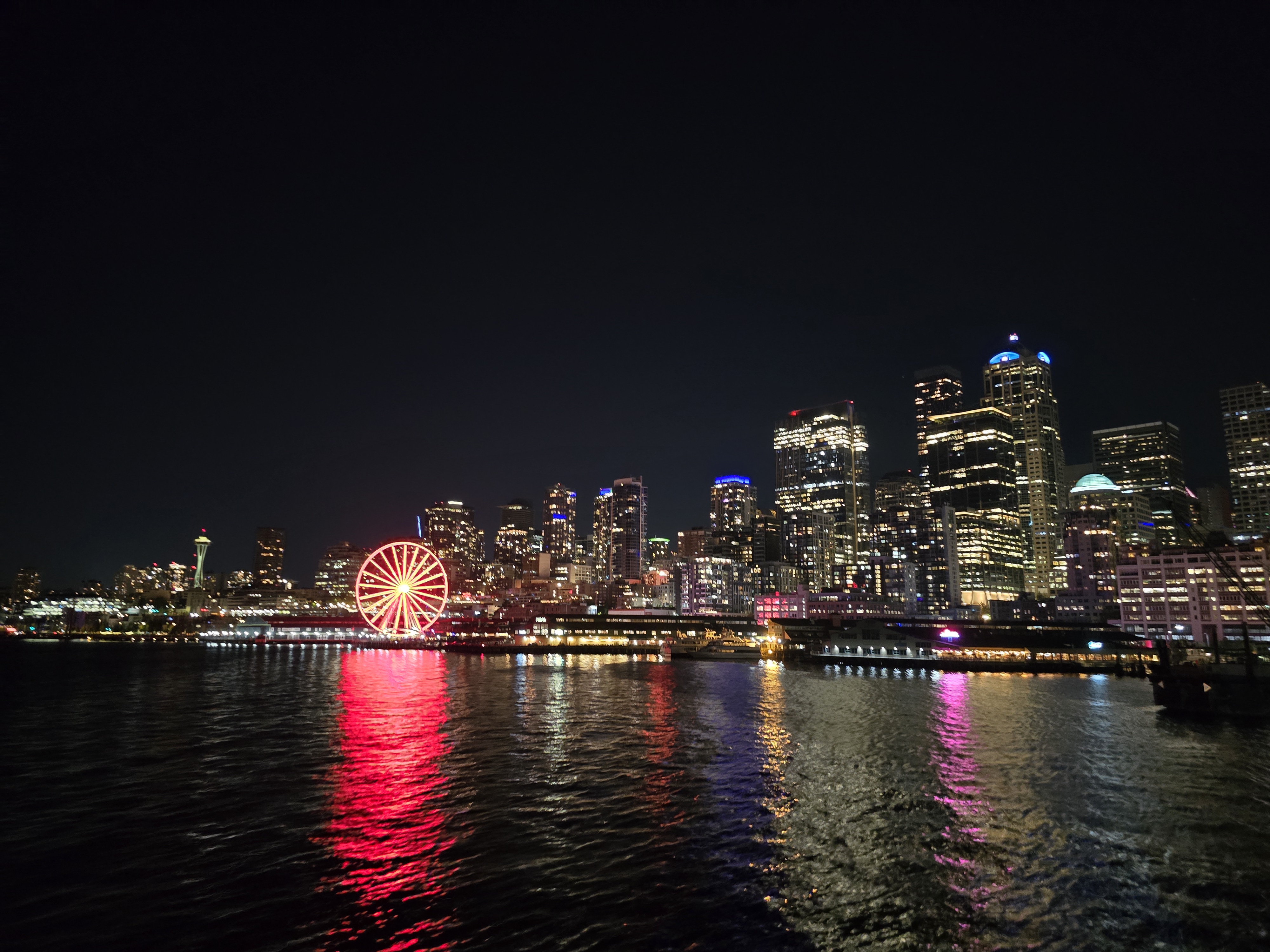
Of course, I couldn’t leave Seattle without ticking off some tourist essentials: the Space Needle, Museum of Popular Culture, Pike Place Market with its multi-floored surprises, the Chihuly Museum, and Seattle’s Public Library (extremely helpful, and friendly librarians!). I also made time to experience the city’s monorail, a charming throwback to Seattle’s 1962 World’s Fair but still functional and relevant today.
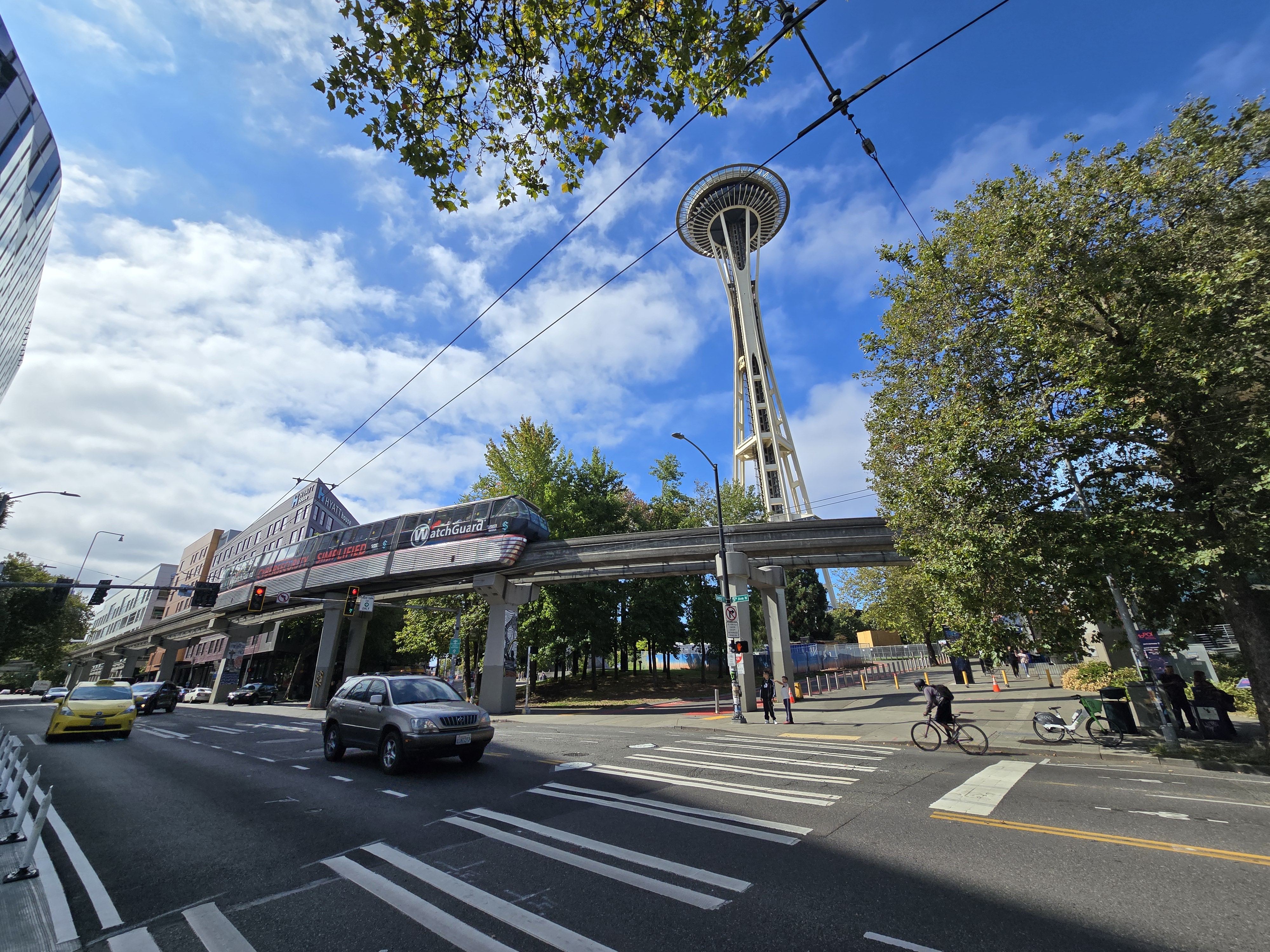
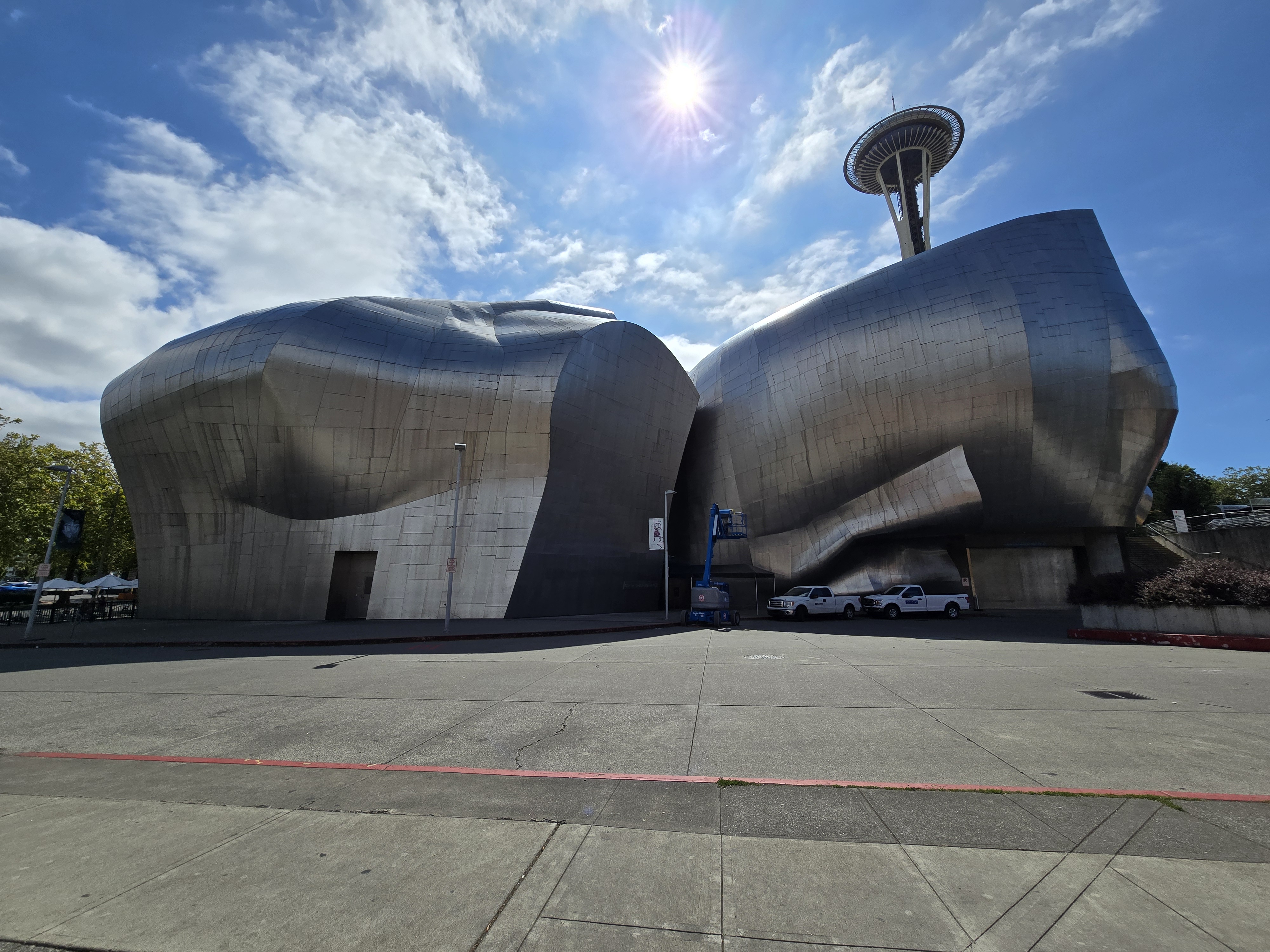
Ferry to Bainbridge Island
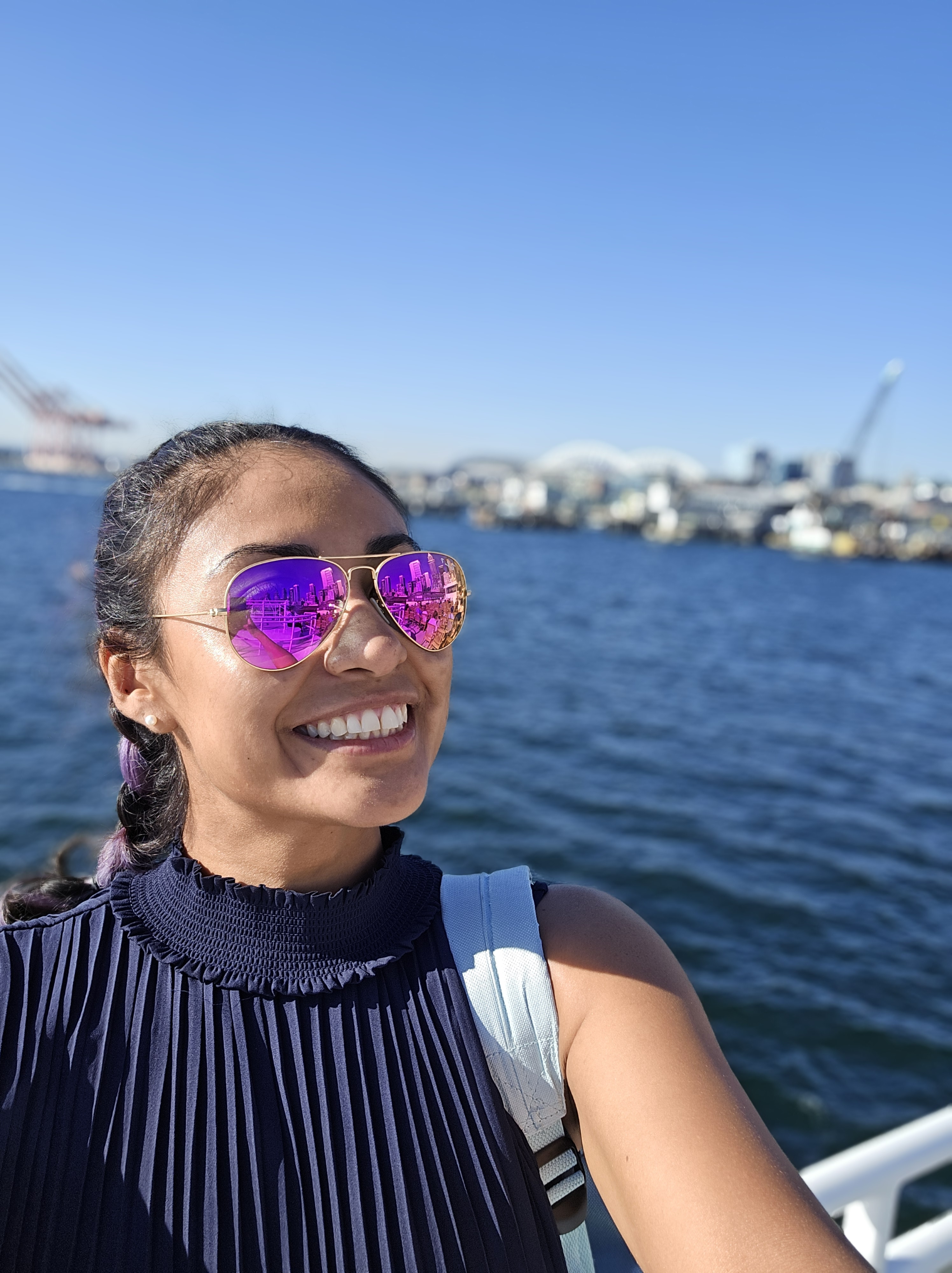
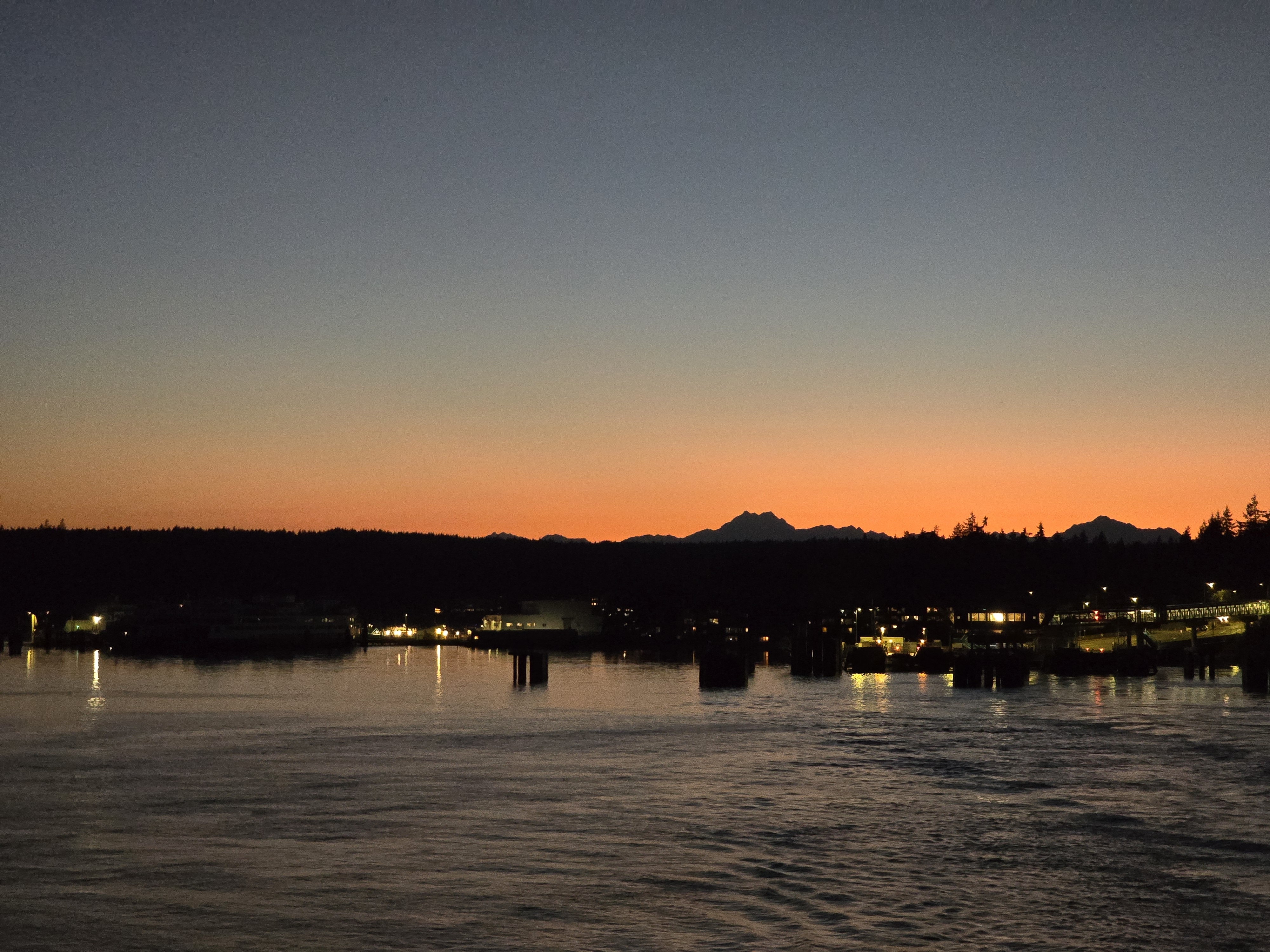
On my final day, I gave the iconic ferry system a try, using my trusty ORCA card to catch a ride to Bainbridge Island. The fresh air, stunning views, and a wine-tasting adventure on the island made it a perfect end to my whirlwind trip.
Seattle, with its seamless transit, thoughtfully designed bike lanes, and balanced mix of urban charm and natural beauty, exceeded my expectations. Though I was only there for 57 hours, I left with a deep appreciation for how the city connects its people—whether by bus, bike, or ferry—and a sense of excitement for the future of transportation here.
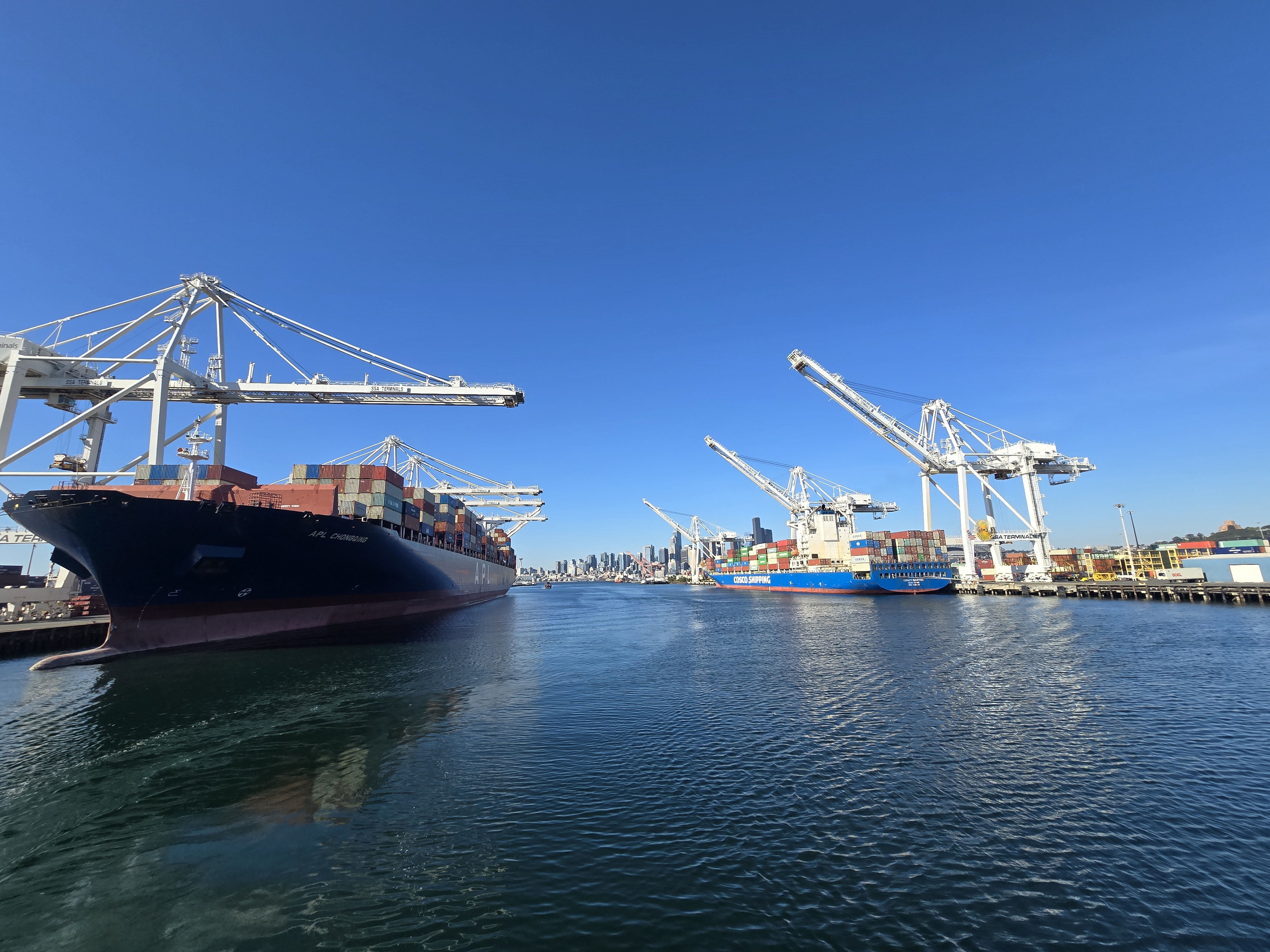
Here’s to hoping my next visit is a little longer!
 The greener, the merrier